Used in more than 60 markets worldwide, TOMRA solutions enable the collection of billions of beverage containers.
<style> #installations { font-size: 5.2em; line-height: 1.4em; font-weight: bold; text-align: center; } </style> <script charset="utf-8" type="text/javascript"> document.addEventListener("DOMContentLoaded", function () { const installationsElement = document.getElementById('installations'); let counterStarted = false; const observer = new IntersectionObserver((entries) => { entries.forEach((entry) => { if (entry.isIntersecting && !counterStarted) { counterStarted = true; let i = 1; const interval = setInterval(() => { if (i < 91) { i += 1; installationsElement.innerText = i; } else { installationsElement.innerText = i + "k +"; clearInterval(interval); } }, 10); observer.unobserve(installationsElement); } }); }); observer.observe(installationsElement); }); </script> <div id="installations">1</div> <p style="font-size: 1.3em; line-height: 1.4em; text-align: center;"><strong>Installations</strong></p>
<style> #countries { font-size: 5.2em; line-height: 1.4em; font-weight: bold; text-align: center; } </style> <script charset="utf-8" type="text/javascript"> document.addEventListener("DOMContentLoaded", function () { const countriesElement = document.getElementById('countries'); let counterStarted = false; const observer = new IntersectionObserver((entries) => { entries.forEach((entry) => { if (entry.isIntersecting && !counterStarted) { counterStarted = true; let i = 1; const interval = setInterval(() => { if (i < 60) { i += 1; countriesElement.innerText = i; } else { countriesElement.innerText = i + " +"; clearInterval(interval); } }, 10); observer.unobserve(countriesElement); } }); }); observer.observe(countriesElement); }); </script> <div id="countries">1</div> <p style="font-size: 1.3em; line-height: 1.4em; text-align: center;"><strong>Markets</strong></p>
Plastic pollution is everybody's business
Plastic pollution
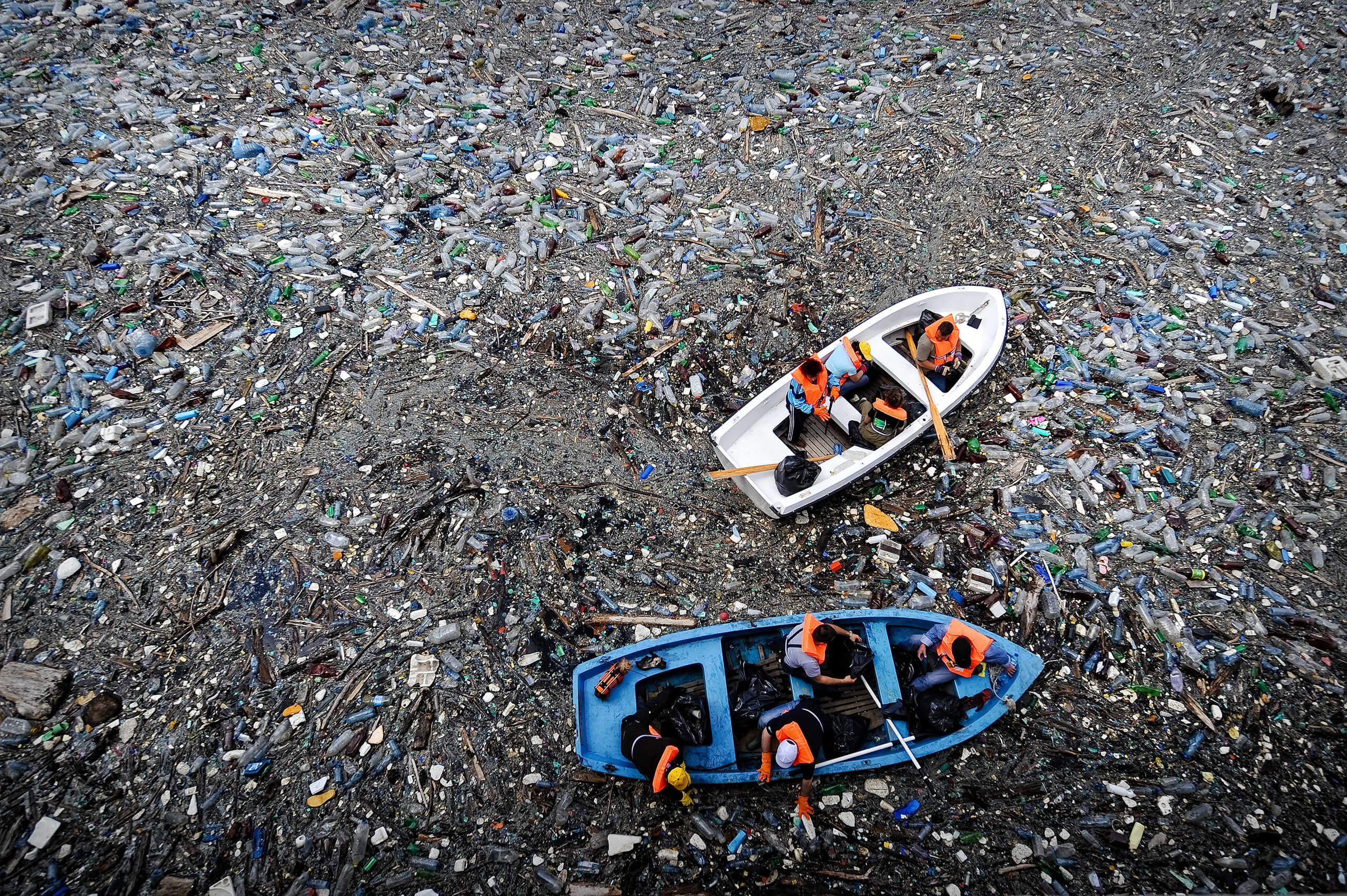
Did you know that most of the plastic in our oceans comes from sources on land? It's a big problem, but we can help solve it. We have the tools and systems to keep plastic out of our seas and protect marine life. Let's start now and work on it together!
A life without litter
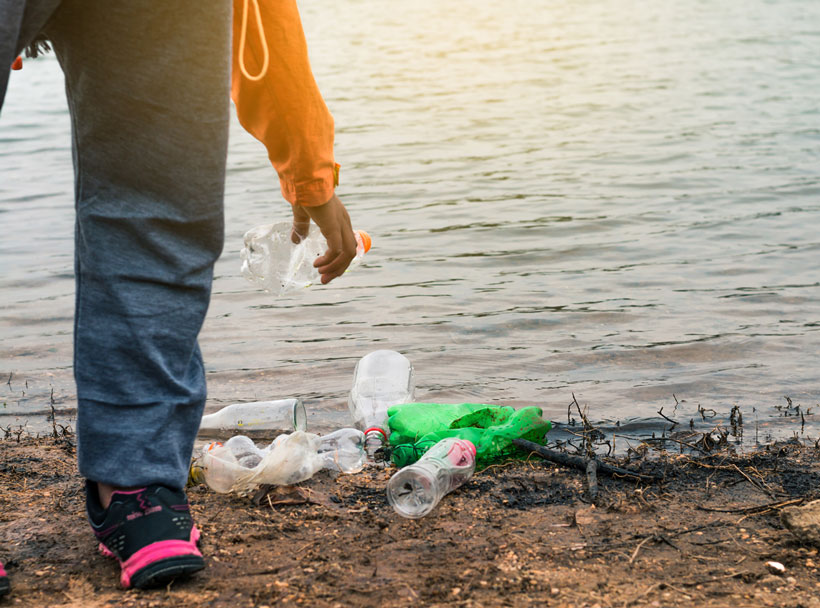
Every year, more than 1.4 trillion beverage containers are sold. 500 bl of those are made of plastic. Only 14% of all plastic packaging is collected for recycling, with 40% of plastic packaging sent to landfills and 32% ending up in nature as litter.

Clean Loop Recycling
Have you ever wondered what happens to your empty drink containers when you return them for recycling? At TOMRA, we support Clean Loop Recycling, where bottles become bottles, and cans become cans, again and again and again.
Let's work together to keep our oceans and neighborhoods clean by making sure we recycle bottles and cans in the most efficient way possible.
About reverse vending
Deposit return systems have achieved return rates of up to 98% of eligible beverage containers, making a huge positive impact on plastic pollution and container litter.
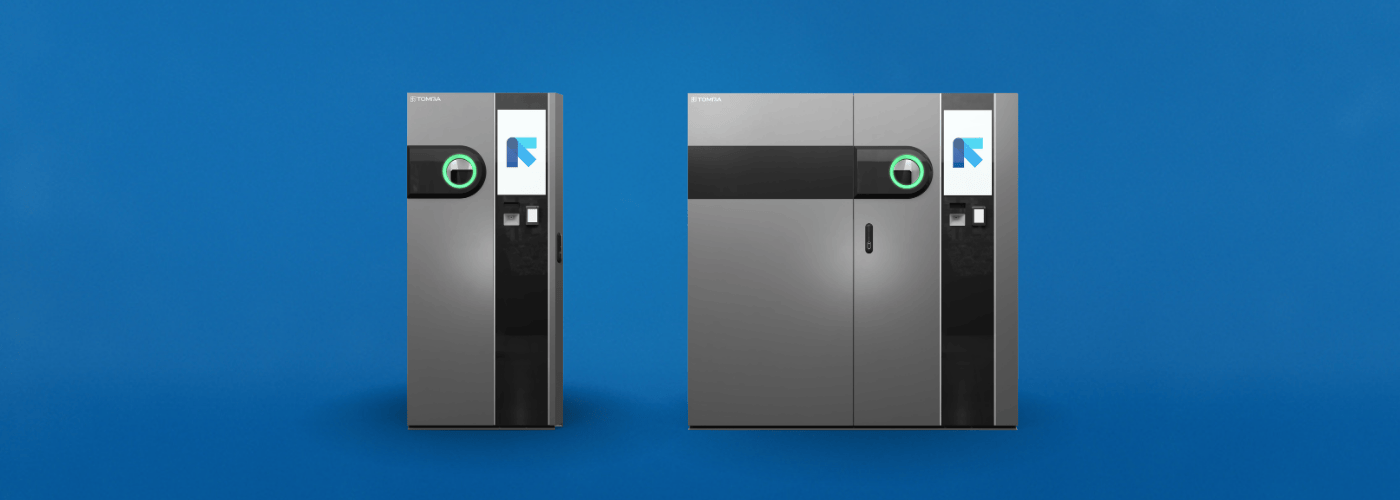
Reverse vending machines (RVMs) are a key technology for enabling deposit return systems. It is an automated way to collect, sort and handle the return of containers.
TOMRA reverse vending machines not only facilitate returns, but also instantly refund the deposit due from bottle and can recycling, as well as offering other benefits. This motivates repeat use and raises collection rates. Reverse vending often becomes part of communities’ everyday routines, so recycling is made convenient, efficient and rewarding.
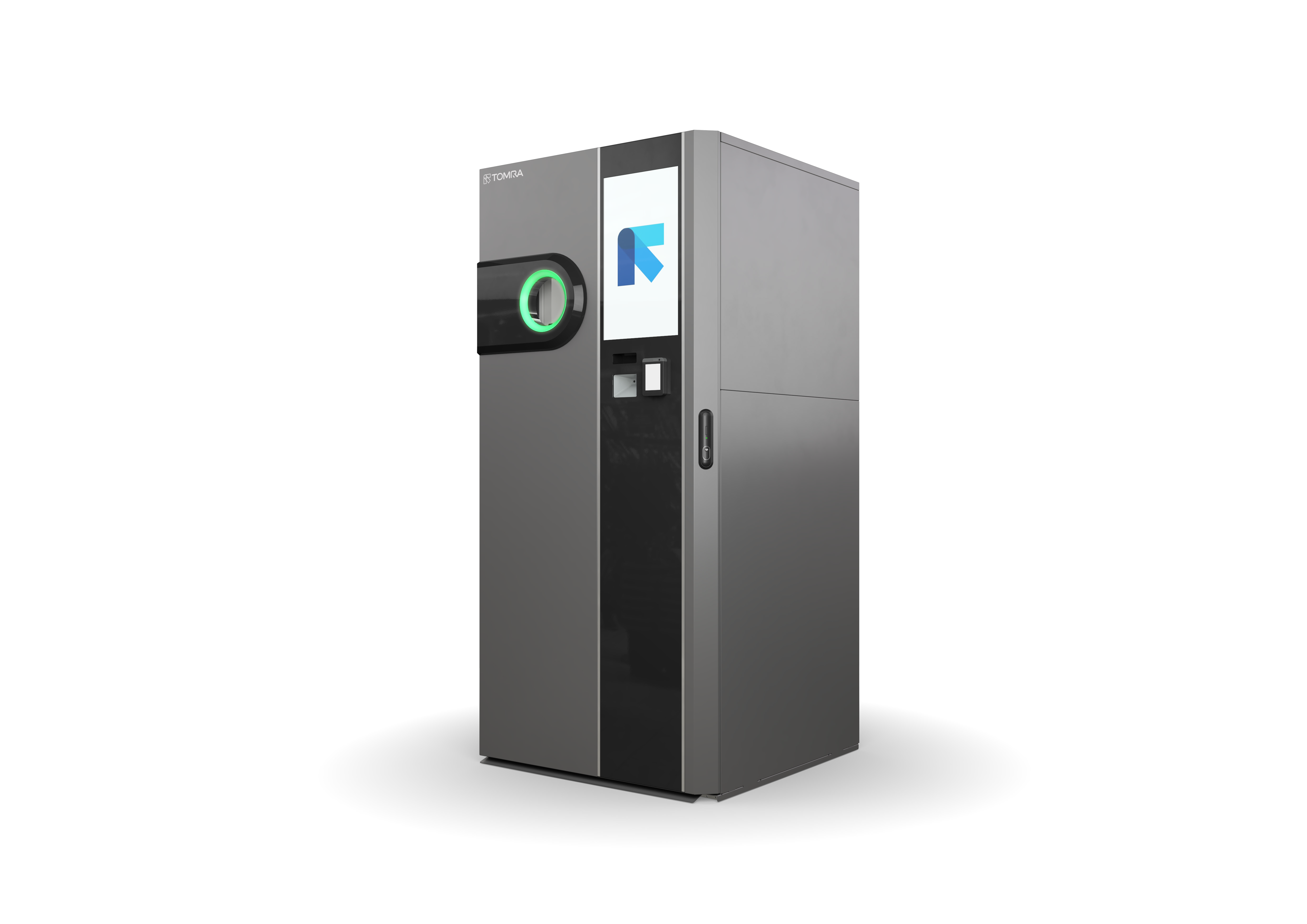
What are reverse vending machines?
Reverse vending machines provide an automated method for collecting, sorting and handling the return of used beverage containers for recycling or reuse.
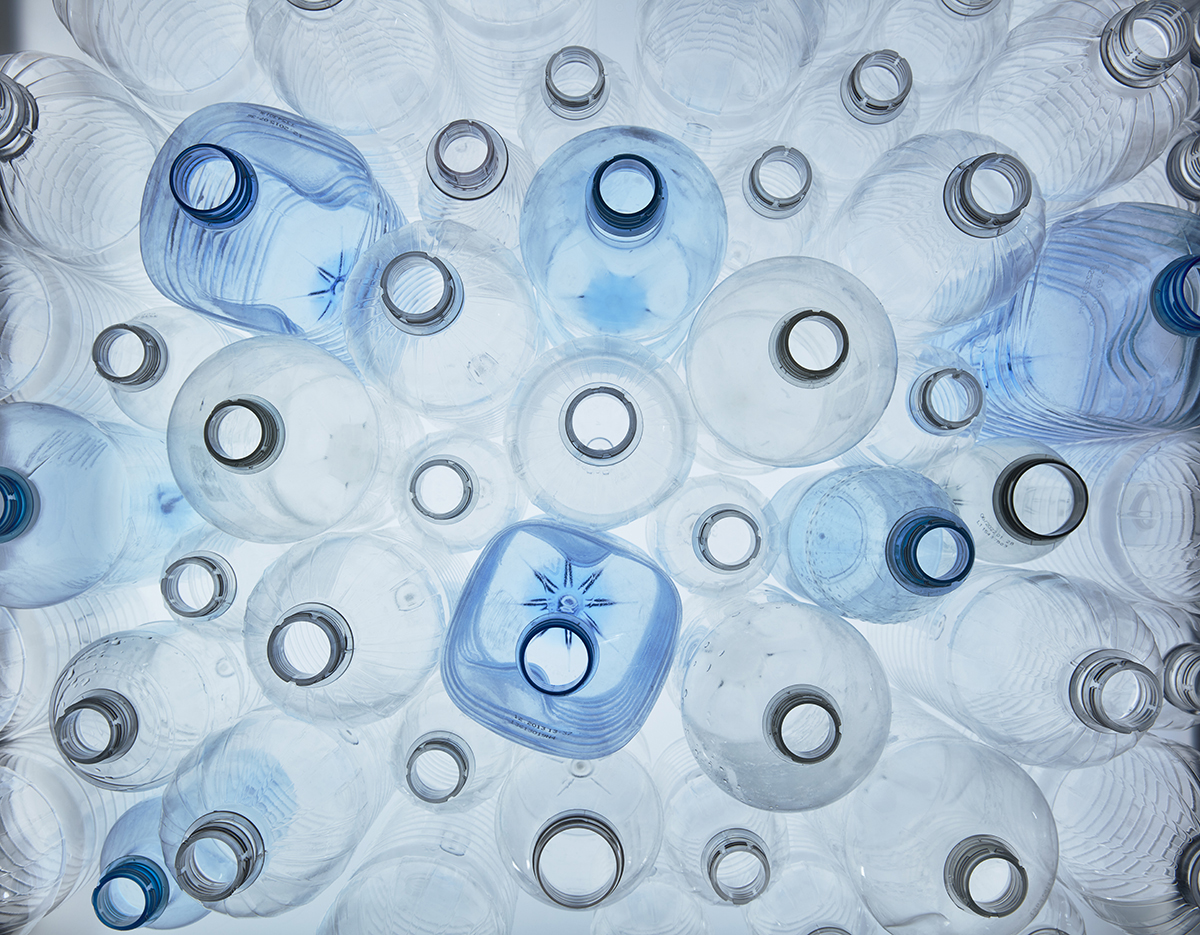
Reducing Single-Use Plastic
The automated technology used allows the mass return and processing of containers, while making bottle and can recycling simple and rewarding for recyclers and retailers.

What is the circular economy?
Reverse vending ensures bottles, cans and other containers are recycled in the most effective way and their materials used again and again in a closed loop, helping to preserve precious resources.
Why TOMRA Singapore?
TOMRA has been active in Singapore since 2022, when it launched the “Resource Transformation Center” in Ang Mo Kio to advance local sustainability efforts and raise awareness around building a circular economy. As operations grew, TOMRA established a new hub in Kallang in 2026 to better support partners and customers across the region.
These efforts continue TOMRA’s pioneering journey, which began in 1972 with the invention of the world’s first fully automated reverse vending machine. Today, with over 91,000 installations globally and billions of containers collected each year, TOMRA remains a global leader in resource recovery and circularity innovation.
Get in touch