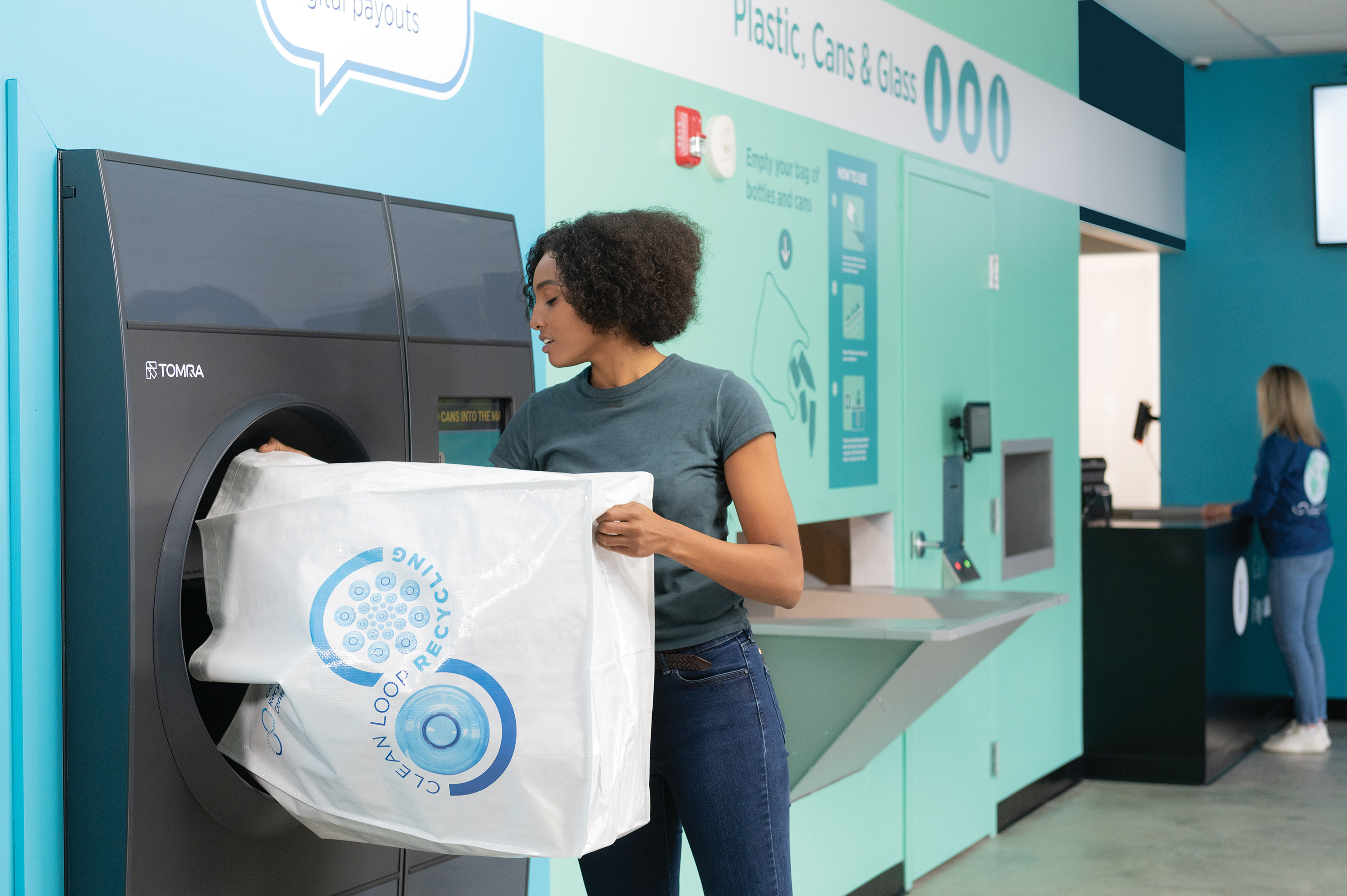
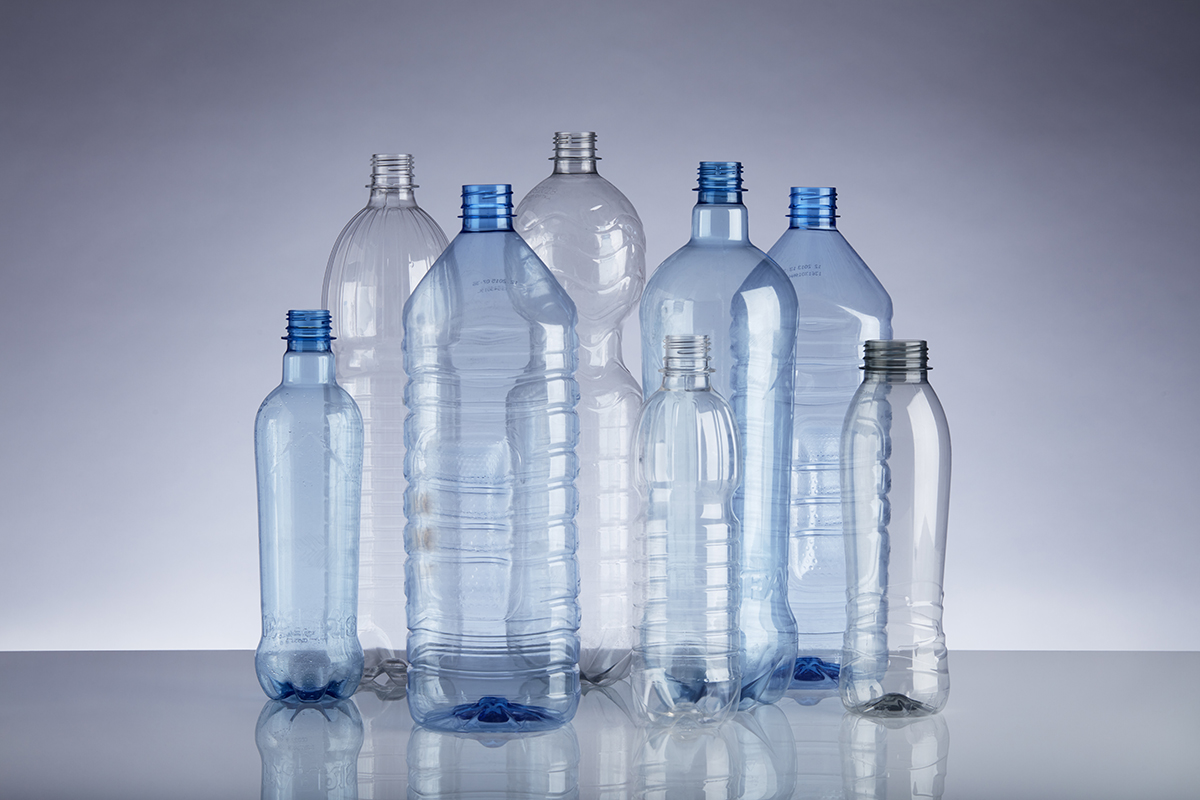
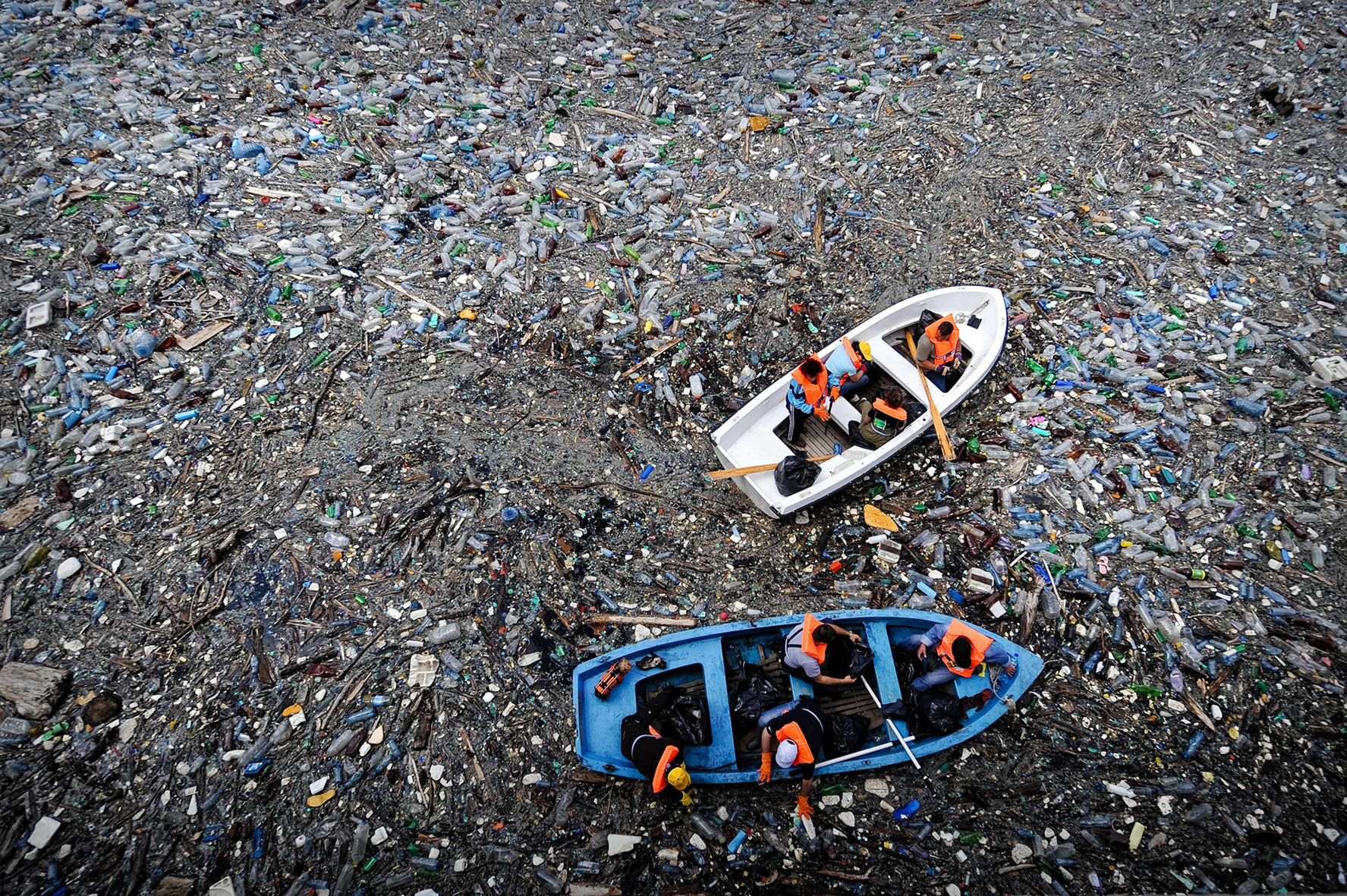
Every year, about 1.4 trillion cans and bottles are used worldwide. While some of these containers are recycled, too many of them end up in our streets, oceans, and landfills. Containers such as plastic bottles, glass bottles, and aluminum cans take many years to decompose:
- Plastic bottles can take 450 years or more to break down; sometimes they never break down at all. However, most plastics are highly recyclable, and these containers can be turned into new plastic bottles.
- Glass bottles take more than 1 million years to break down in landfills, but they’re perfect for recycling as they can be recycled continuously without losing quality!
- Aluminum cans take roughly 200 years to decompose in landfills, but can be recycled using less than 5% of the energy used to make the original product.
At TOMRA, we strive to reduce society’s reliance on raw materials. By making it easy, convenient, and rewarding for people to return their used containers, we enable bottles, cans, and other packaging to be continually recycled in a Clean Loop.
How you can make a difference
Every time an empty container is not recycled, it ends up in a landfill, incinerator or somewhere in nature. Not only does it harm our planet, but it creates the need to make a new container from raw materials – taking more resources from the planet than necessary. However, every time a container is recycled, we can use that container to create a new one, reducing the amount of resources needed and the amount of waste sent to landfills.
Putting these containers into your home recycling bin is one way to contribute, and is much better than tossing it into the regular garbage can. However, many containers that we throw away into the common recycling system get too dirty to be turned into new containers, and they are down-cycled into products that are more difficult to recycle, such as plastic chairs, toys and car parts. Also, when a beverage container is down-cycled instead of recycled, a new container must be created from raw materials – adding to the world’s ever-growing plastic collection.
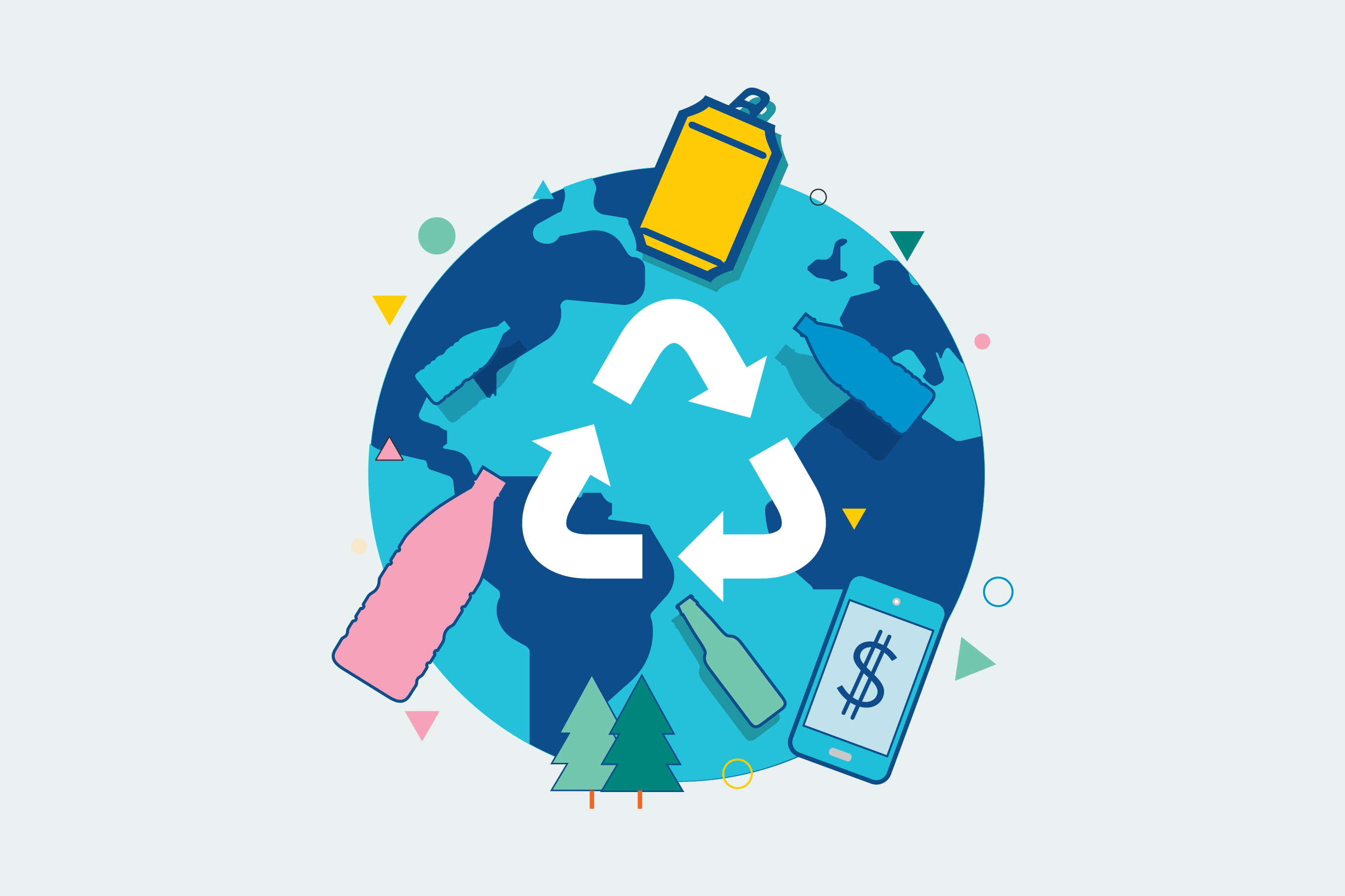
Beverage containers recycled through reverse vending machines are collected and sorted without contamination from other types of waste. This ensures that they can be recycled into new bottles and cans again and again. This is a process we call Clean Loop Recycling. The more containers we separate into reverse vending machines, the fewer we need to produce from new materials.
This leads to fewer wasted resources and less waste ending up in the ocean. It’s really simple. The more containers we put in our Clean Loop Recycling system, the less we take from the planet. It’s a loop of clean resource reuse. Contribute to a cleaner, healthier and happier planet by collecting your empty beverage containers and returning them to your nearest TOMRA reverse vending machine or redemption center!
Sources:
What puts the "Clean" in Clean Loop Recycling?
Beverage containers recycled through a reverse vending machine stay clean enough to keep their "food grade" status meaning they can be recycled into new beverage containers. Containers that come into contact with other household waste can be contaminated, so are often downcycled into different products.
With a reverse vending machine, you get to collect the valuable resources before they get mixed up with other contaminants.
Steve HanPresident, TOMRA Korea
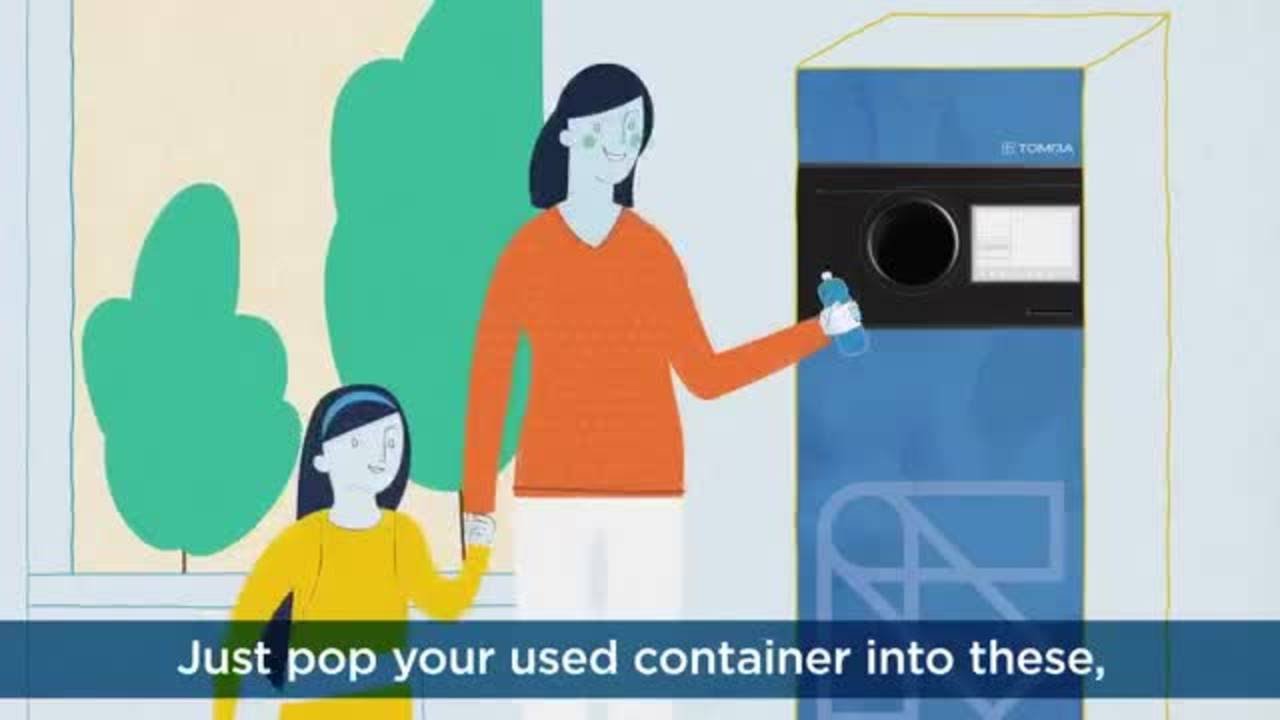
When it comes to Clean Loop Recycling, Norway is leading the way!
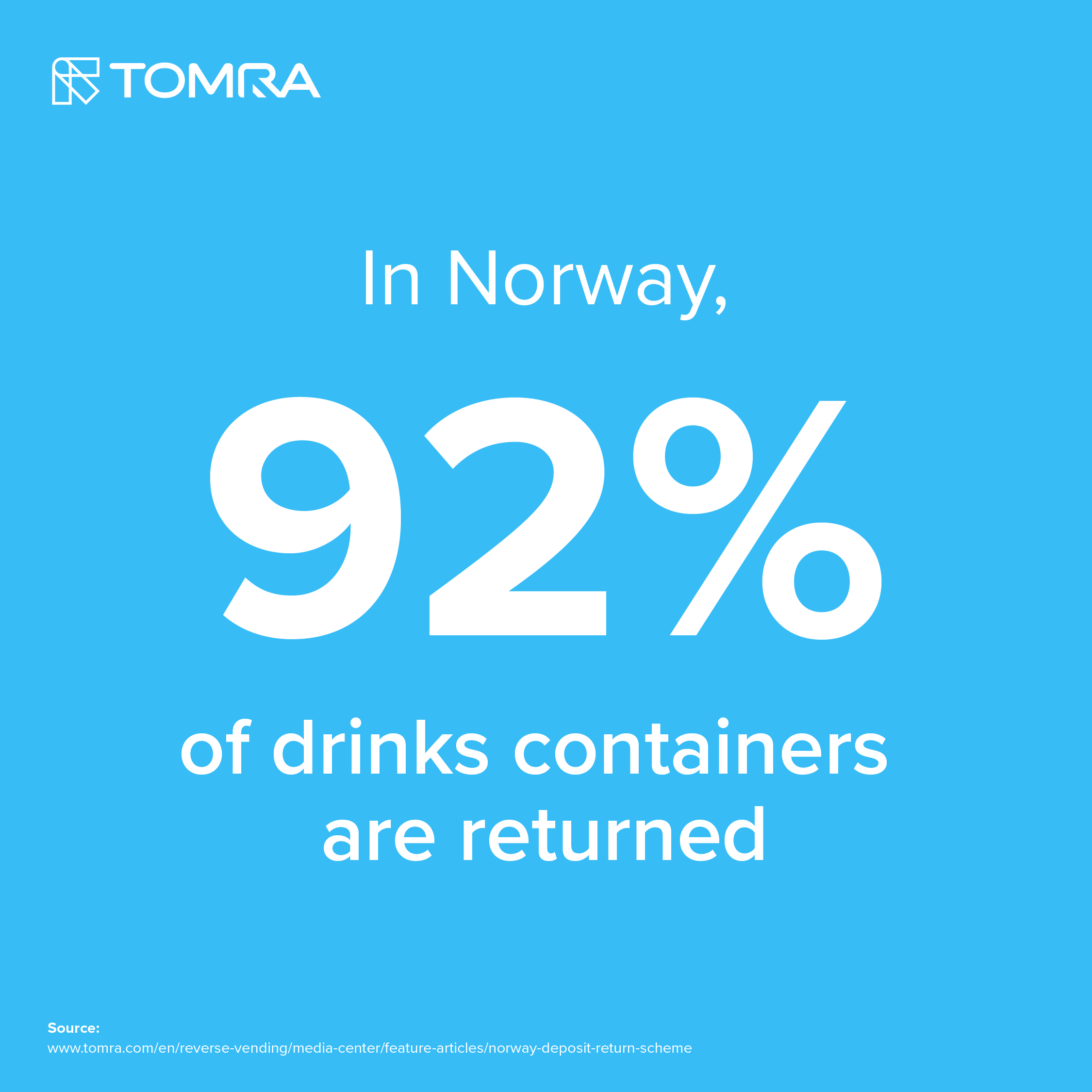
Regarded as the world role model for beverage container recovery and recycling, Norway’s deposit return system is one of the most efficient in the world. With more than 92% of containers returned to reverse vending machines and around 6% collected through alternative channels, less than 1% of all beverage containers in Norway are littered!
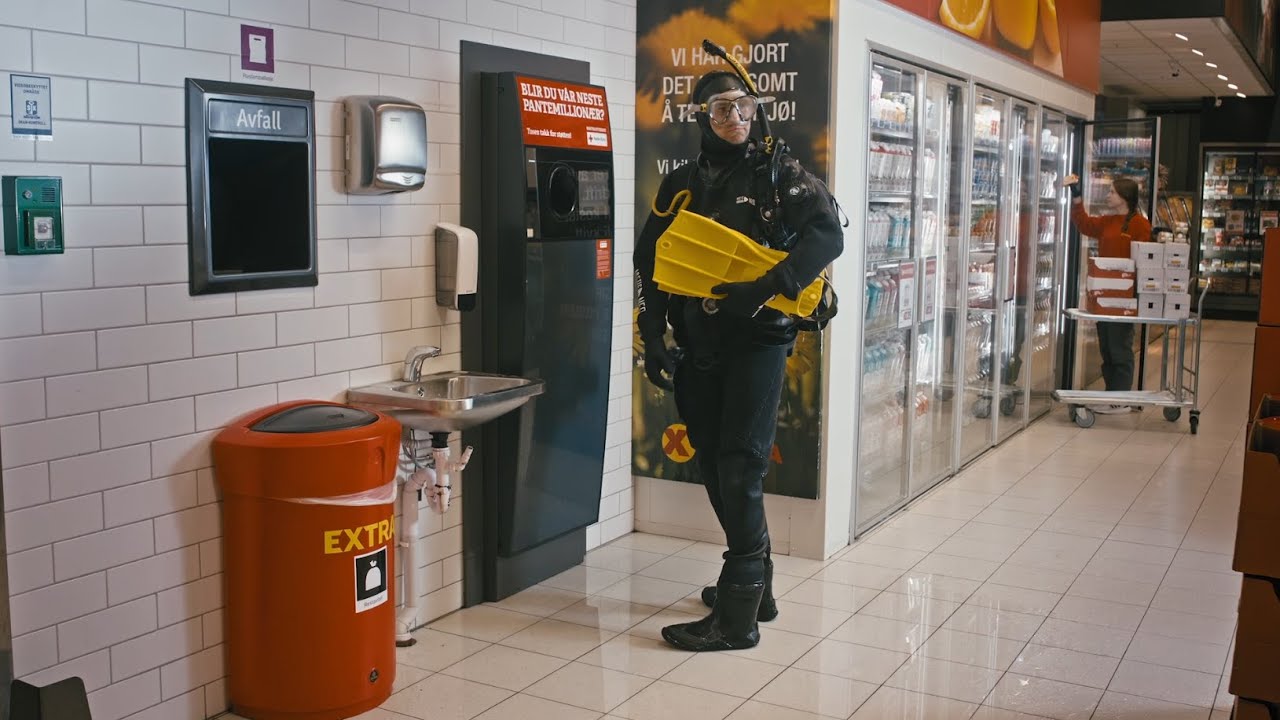
Frequently asked questions
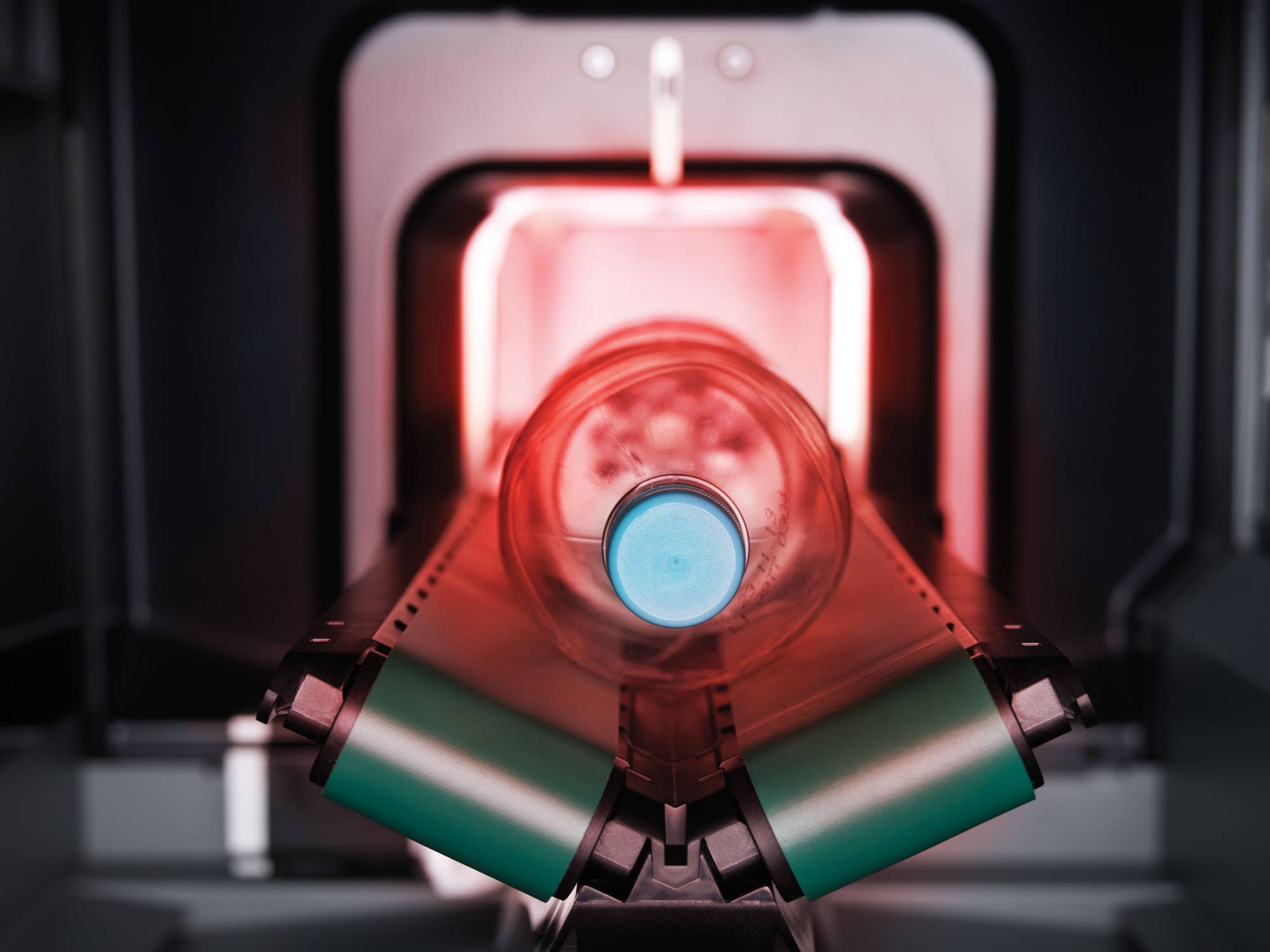
How do I use a reverse vending machine?
It's an easy, fast, and convenient way to recycle. If you want to know how to use a reverse vending machine, you've come to the right place!
Learn more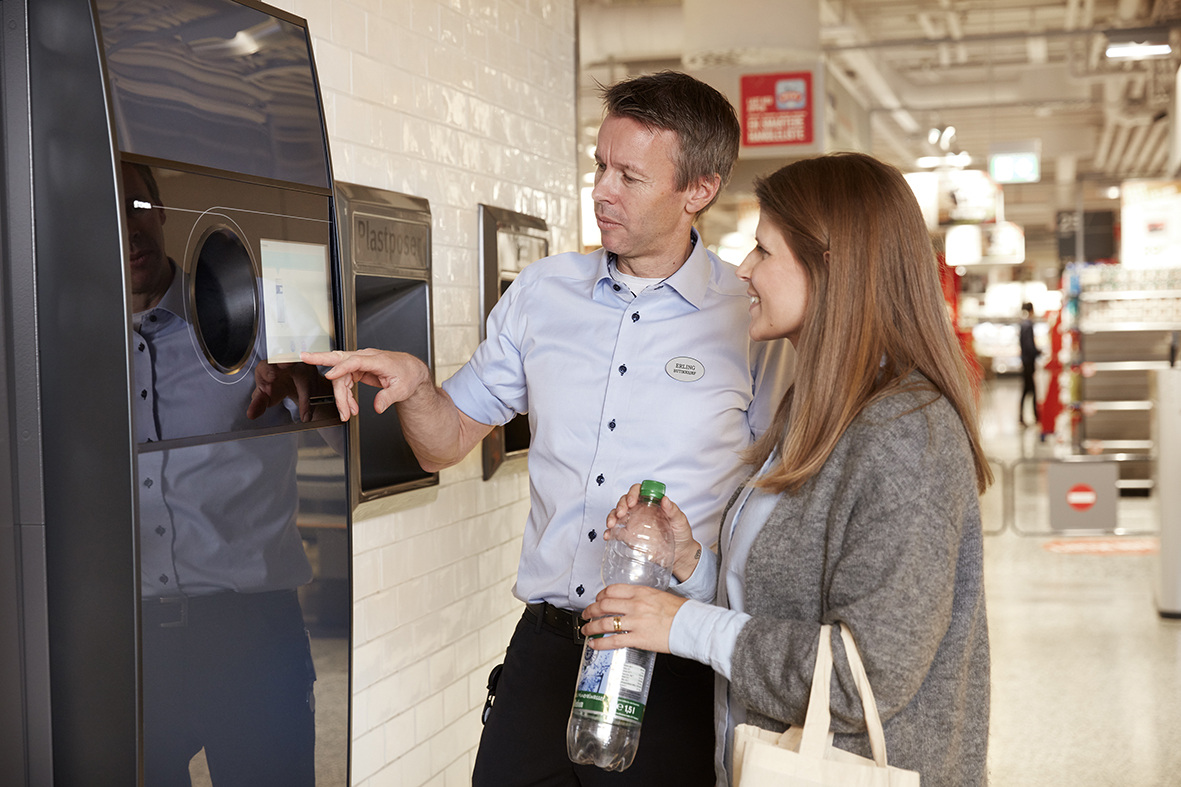

We're part of a coalition of businesses calling for a strong Global Plastics Treaty
Convened by the Ellen MacArthur Foundation and WWF, the coalition brings together businesses and financial institutions committed to supporting the development of an ambitious, effective and legally binding UN treaty to end plastic pollution.
Policies, pollution and people
Countries around the world are committing to more aggressive measures in response to the growing plastic pollution problem. Deposit return systems, in combination with reverse vending technology, give policymakers, retailers, and consumers the power to play their part and make an impact.
Approved Science-Based Targets
TOMRA is the only reverse vending provider with targets approved by the world's leading authority.