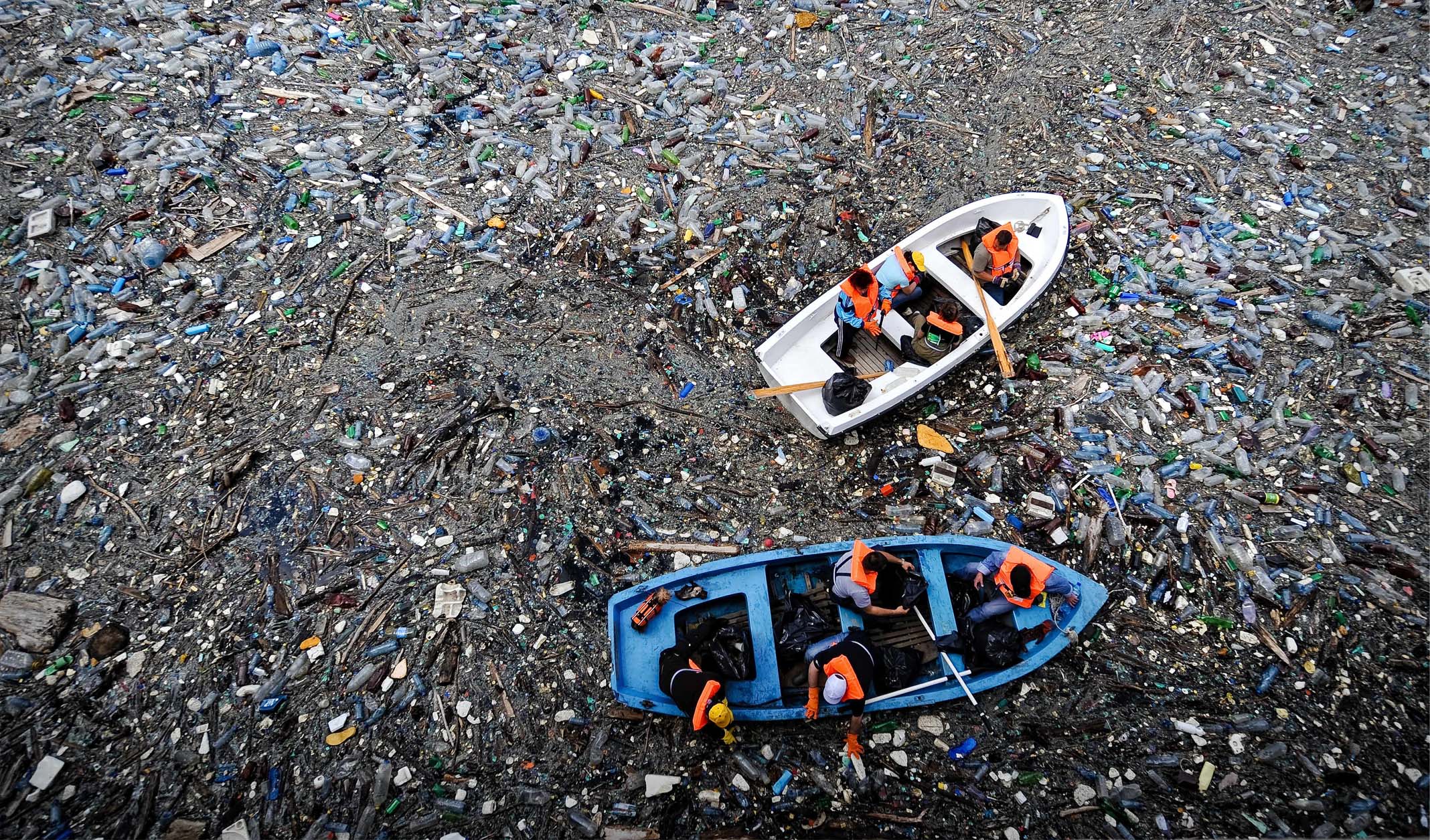
Awareness of plastic pollution and plastic waste has sky-rocketed – the world has truly woken up to the plastic waste crisis, and more and more solutions are being explored. Every bottle and can collected for recycling through reverse vending means one less container sent to landfill or ending up in our streets and oceans, and one less new container that needs to be made entirely of virgin plastic during plastic production.
About plastic pollution
The rise in plastic pollution
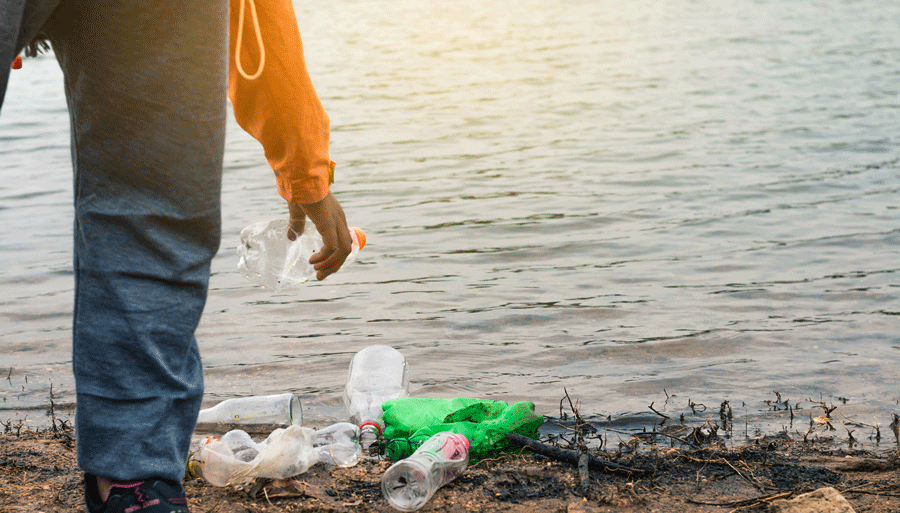
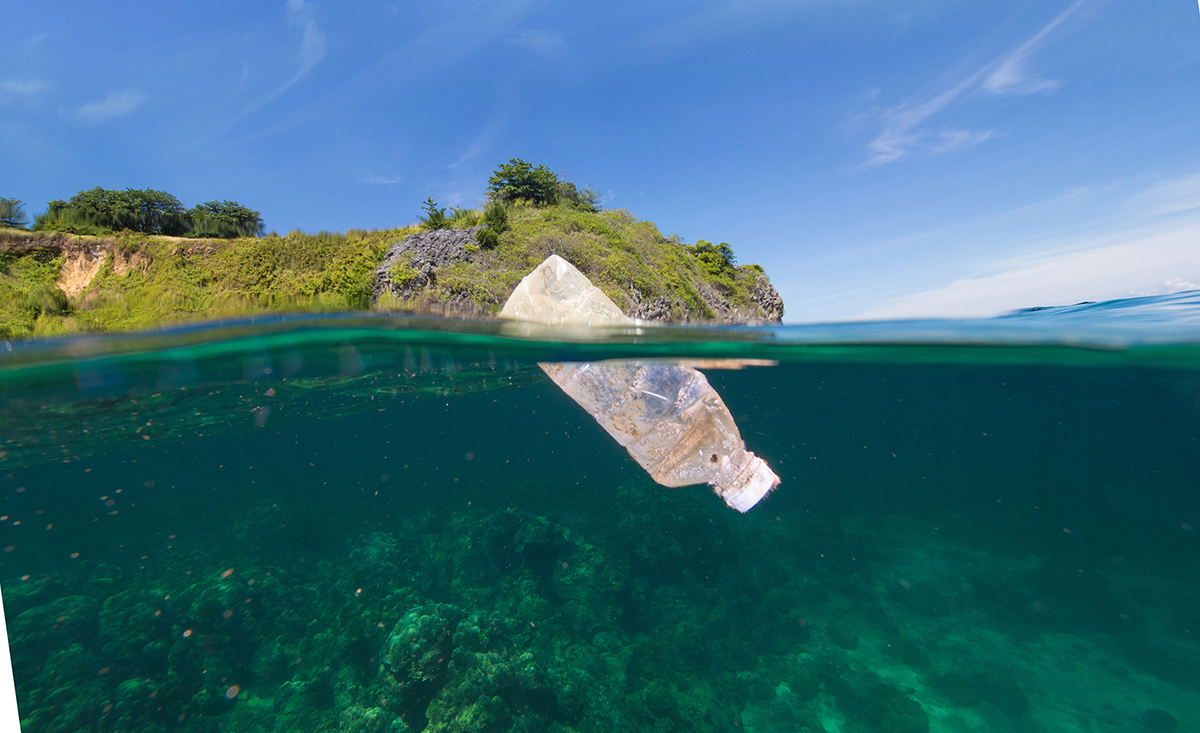
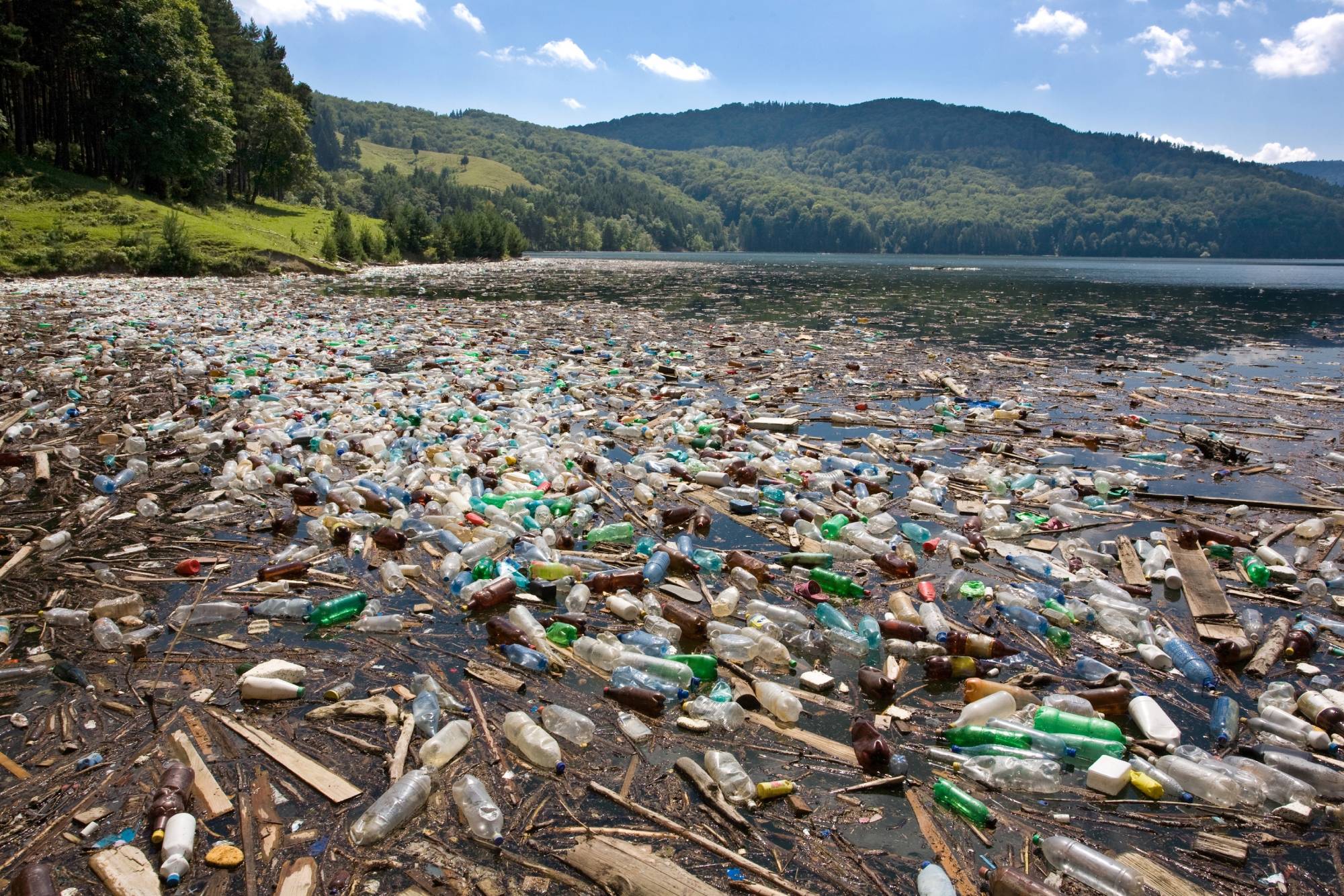
Plastic pollution has continued to rise, so much so that we are now facing a plastic waste crisis. The amount of plastic pollution that ends up in the oceans each year is the equivalent of one garbage truck per minute. Plastic waste (such as from plastic bags, plastic straws and other plastic products) is leaking into our environment and clogging up our oceans. There is an estimated 5.25 trillion pieces of plastic debris in the oceans. If this continues, by 2050, the amount of plastic in the ocean will outweigh the fish. Of the 78 million tons of plastic packaging produced every year, only 14% is collected for recycling. Crucially, only 2% of all the world’s plastic packaging is recycled in a “closed loop”, where material can be used for the same or similar kind of packaging once again. 86% of plastic packaging currently ends up in landfills and incinerators, or as litter.¹ Floating plastic accumulates in "trash gyres" in the ocean, with the largest of these known as the Great Pacific Garbage Patch.
The impact of plastic pollution
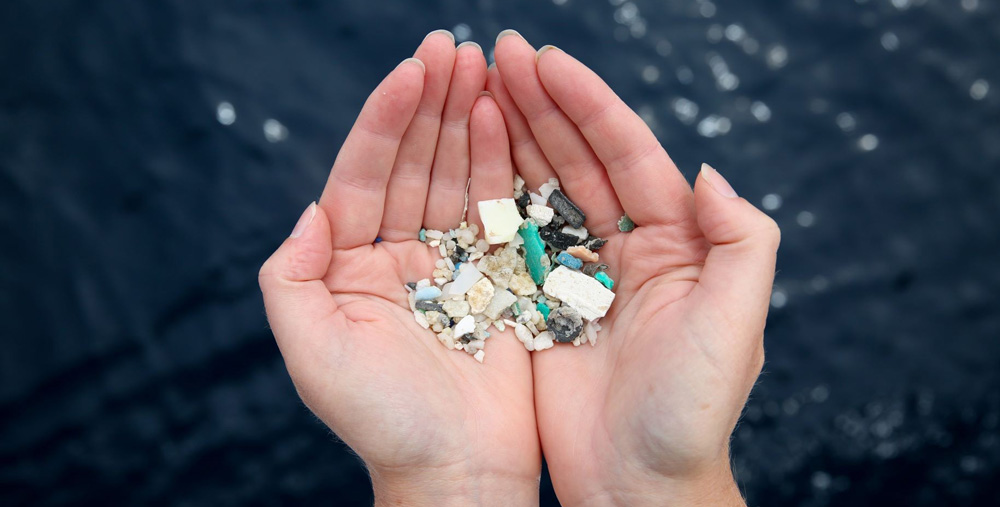
The impact of plastic waste leaking into the environment as marine litter is cause for huge concern. Not only does it have a devastating environmental impact on our shores and wildlife, microplastic pollution consumed by sea creatures – and the chemicals associated with those plastics – are also working their way up the food chain to humans. The average human now eats a credit card worth of plastic each week² from ocean plastic particles, and the impact on human physiology is still unknown. Microplastics and plastic fragments have been identified in drinking water and beer, and are even falling in the rain.³
Beverage containers
Turning off the tap
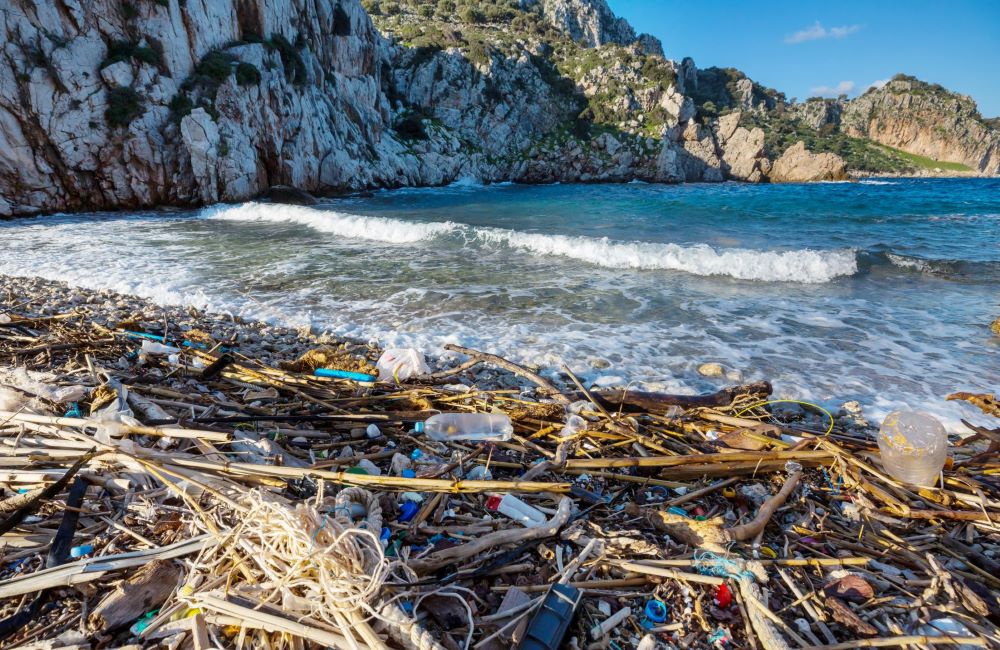
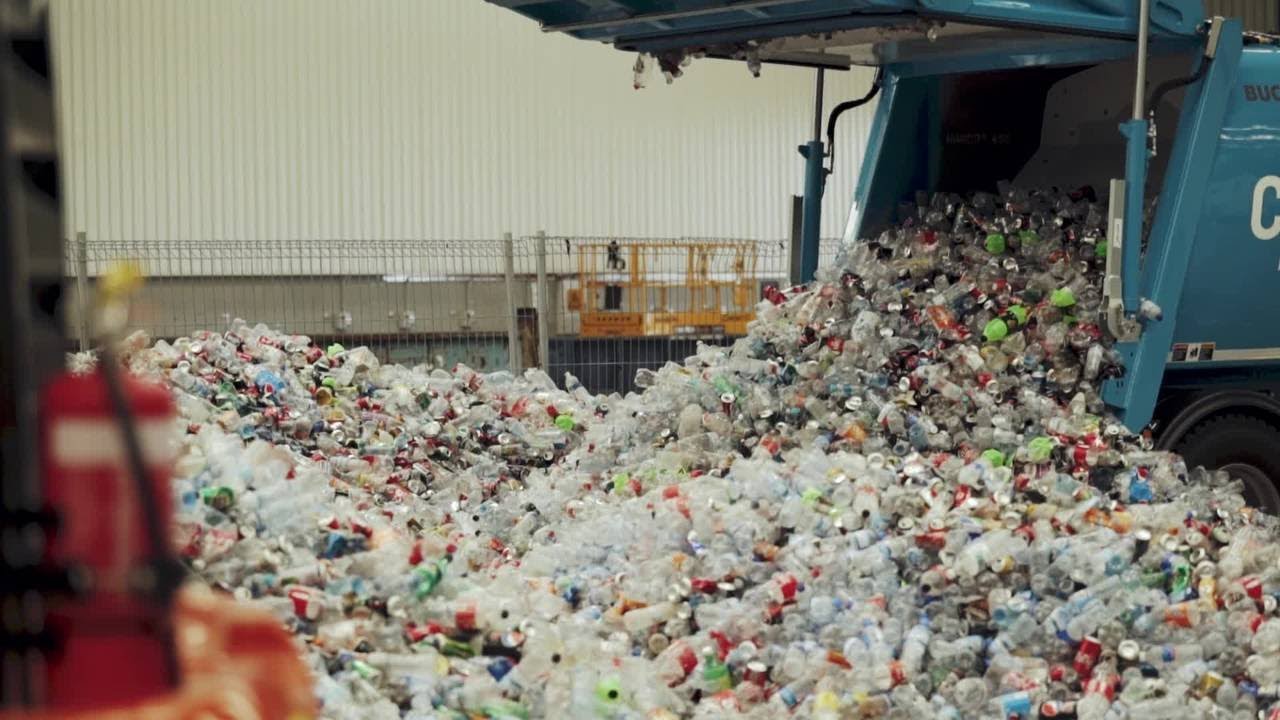
In plastic production, 500 billion plastic beverage bottles are produced each year. They are one of the most commonly found litter items, and it is estimated that a plastic bottle takes 450 years to break down in nature. The good news is that most plastic bottles are made of PET and HDPE, which are highly recyclable materials. In this way, plastic should not be seen as disposable, but as a valuable resource that can be used again and again, if containers are recycled in the right way. Ocean cleanup is difficult for plastic debris; we must turn off the tap on land.
Impact of deposit return and reverse vending
bUYING THE drink, but borrowing the container
Deposit return schemes
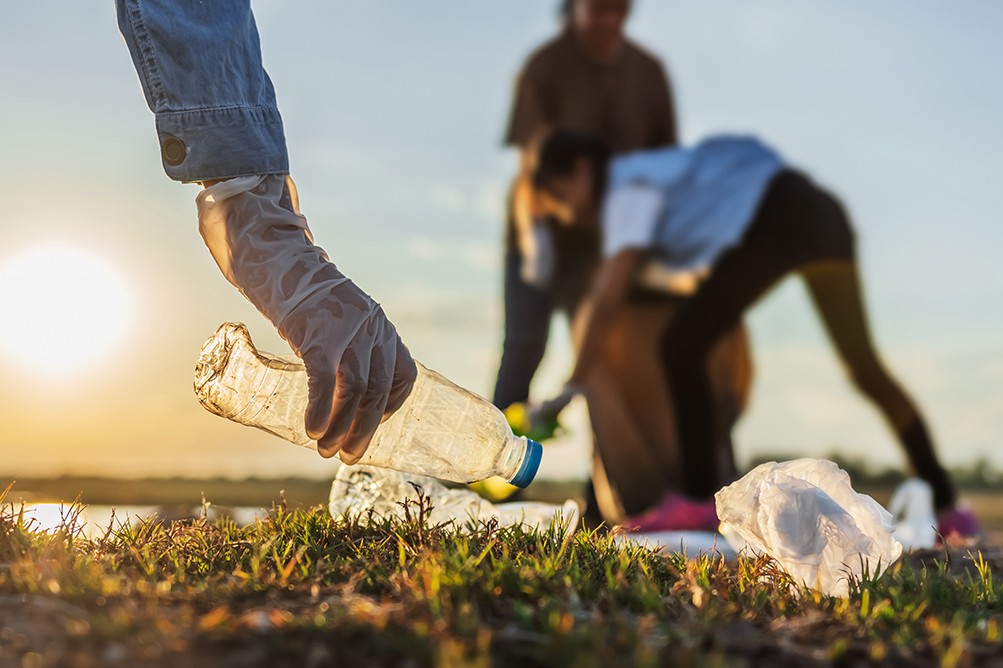
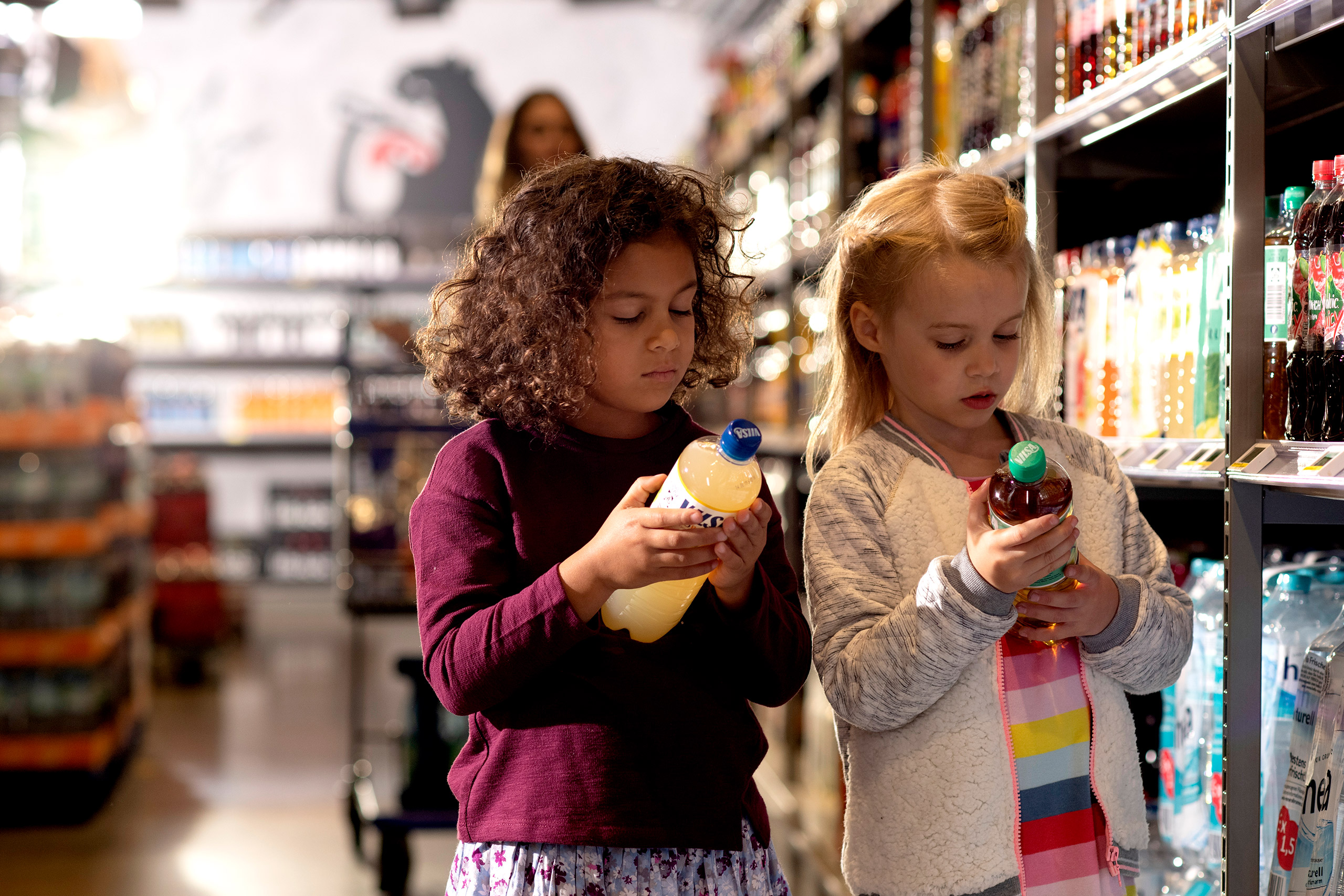
Deposit return systems (also known as deposit return schemes or DRS) work by adding a deposit to the price of a beverage, which is refunded to a consumer when they return the empty bottle or can for recycling. Single use plastic bottles are often seen as a symbol of a throw-away society; giving them a financial value signals they also have a value for society as a resource and helps avoid plastic waste. DRSs are typically established through legislation passed by state or national governments. The European average collection rate for PET plastic beverage containers in a curbside system is 47%, versus 94% for deposit systems.⁴ Drink container litter as a proportion of all litter is 66% less in regions with a DRS in place.⁵ DRSs can address the challenge of plastic waste, because they achieve up to 98% collection rates for eligible drink containers.
PUTTING RECYCLING TO WORK FOR YOU
Reverse vending
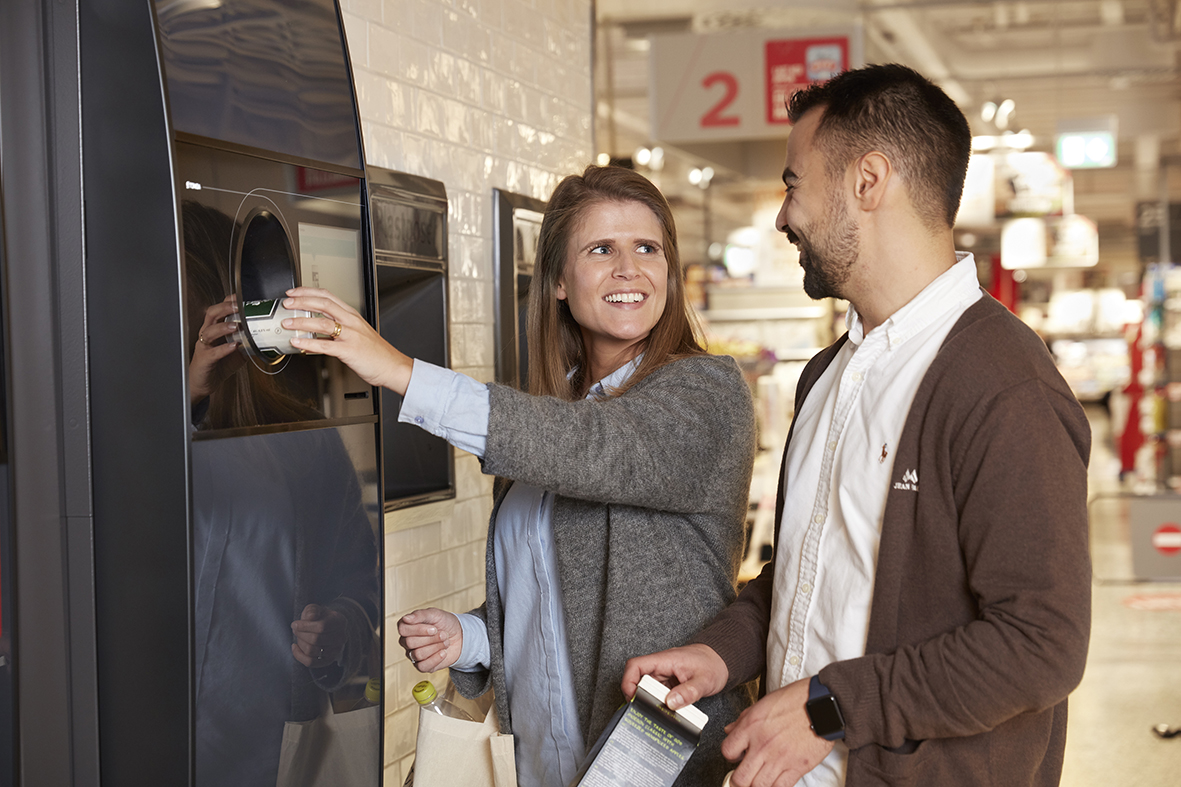
Reverse vending machines (RVMs) are a key technology for enabling deposit return systems. People return empty drink containers like bottles and cans for recycling, and get their deposit refunded. RVMs are an automated way to collect, sort and handle the return of containers. RVMs scan containers’ barcodes, materials or shapes, to identify the packaging type and give the correct refund. The machine then sorts the containers into different types, such as moving reusable containers to one storage area and compacting (crushing) single-use containers. RVMs benefit end-users and sites collecting containers by making recycling more efficient and enjoyable, and benefit the environment by keeping container materials “in the loop”.
Get in the loop
Clean Loop Recycling
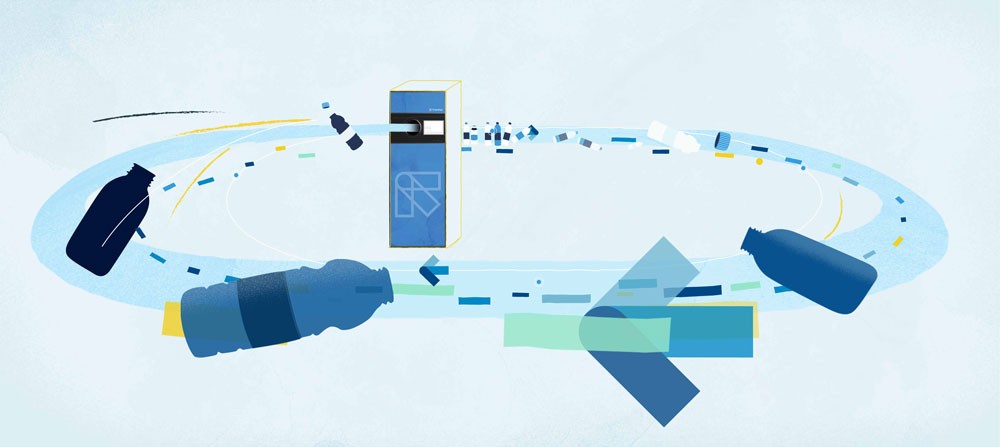
Every time a container is recycled, its materials can be used to create a new one in plastic production, reducing the amount of resources needed and amount of plastic waste sent to landfills. When a bottle is returned to an RVM for recycling, it is kept separate from other kinds of waste, avoiding contamination that can make it more complex and costly to recycle. With materials remaining pure and high quality, they can be turned back into a new container, again and again. The material can stay in a closed “loop” rather than thrown away or turned into lower-quality applications that cannot be recycled again, like a park bench ("down-cycling"). It also reduces the need to extract virgin resources to produce new containers, such as oil for plastic bottles in plastic production. TOMRA calls this “Clean Loop Recycling”, and we’re striving to keep containers in the loop and out of streets and oceans. The more we put in the Clean Loop, the less we take from the planet, driving a circular economy.
What role can you play?
Everyone has a role in ensuring plastic waste stays out of our waterways and communities. TOMRA captures billions of drink containers through its reverse vending installations across more than 60 markets. But, we just facilitate this: it is the redemption providers and consumers who truly make this happen. There are many examples of how plastic pollution and plastic waste affects life on land as well as at sea. There is no one solution to the problem, but we need to innovate and implement many solutions to help manage plastic waste. Deposit return and reverse vending technology give policymakers, retailers and consumers the power to play their part and make an impact in reducing pollution. The billions of drink containers TOMRA collects each year represent only 3% of containers sold, so there's much more we can do together to stop containers and plastic waste ending up where they don’t belong.

Policy
Governments legislate, design and set up deposit return systems. The structure of a system can determine its success in driving return rates and tackling plastic pollution, so setting up the right system is crucial.
Retailers/depots
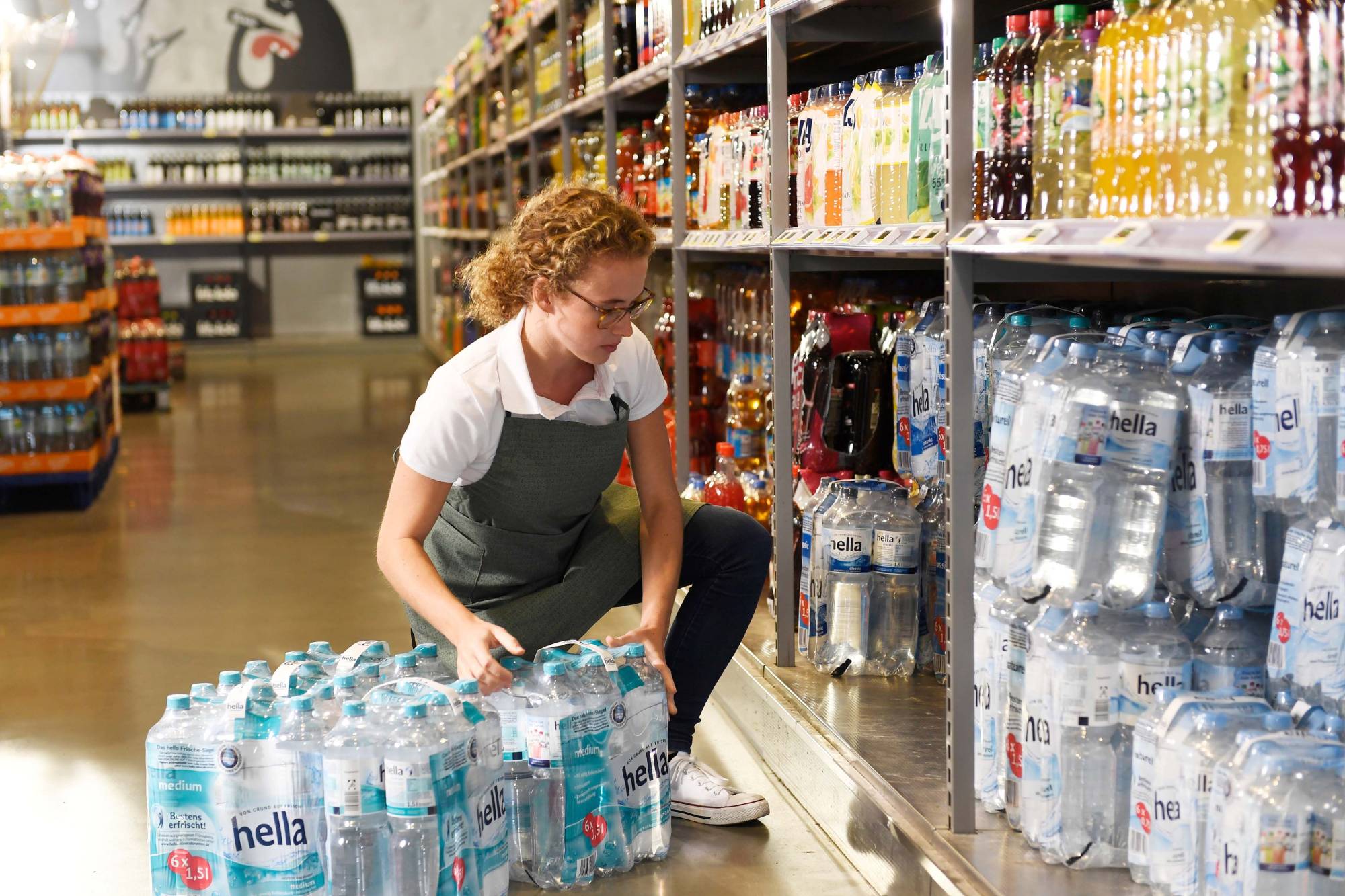
Retailers and recycling centers are at the heart of container recycling success. As sellers or return points for drink containers, they are the most visible and vital part of any DRS. Your site keeps containers in the loop.
Recyclers
Consumer demand has fueled environmental initiatives, and recyclers can be assured their containers get the best starting point for recycling when returned via a reverse vending machine. Your small action makes a huge impact.
Plastic pollution knowledge hub
Want to find out more about the impact of ocean plastic pollution, plastic waste, and how you can play your part? Explore our resources:
Articles