What is a deposit return scheme?
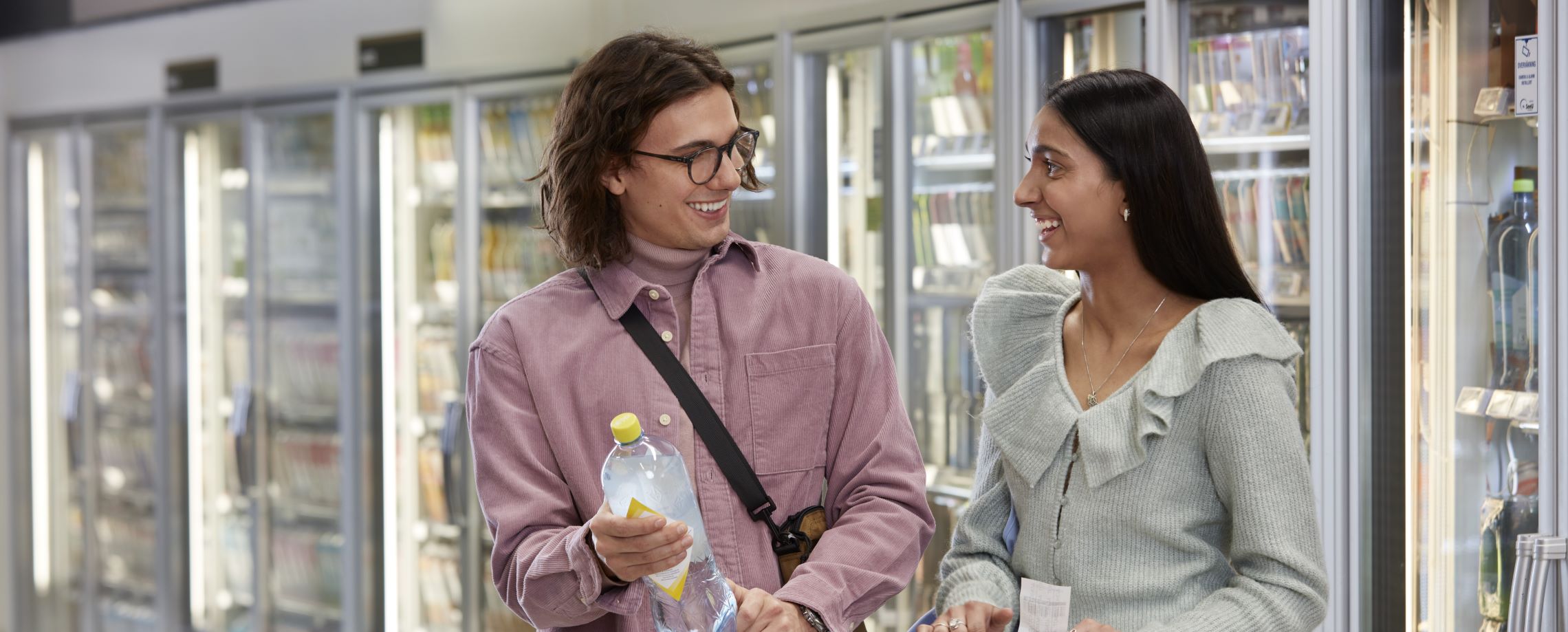
A deposit return scheme (DRS), also known as a deposit return system or container deposit scheme, is a way of incentivizing the return of drink containers for recycling – by charging a deposit when a drink is purchased, and refunding it when the container is brought back for recycling.
High-performing deposit return systems achieve collection rates of more than 90%.
How does a deposit return scheme work?
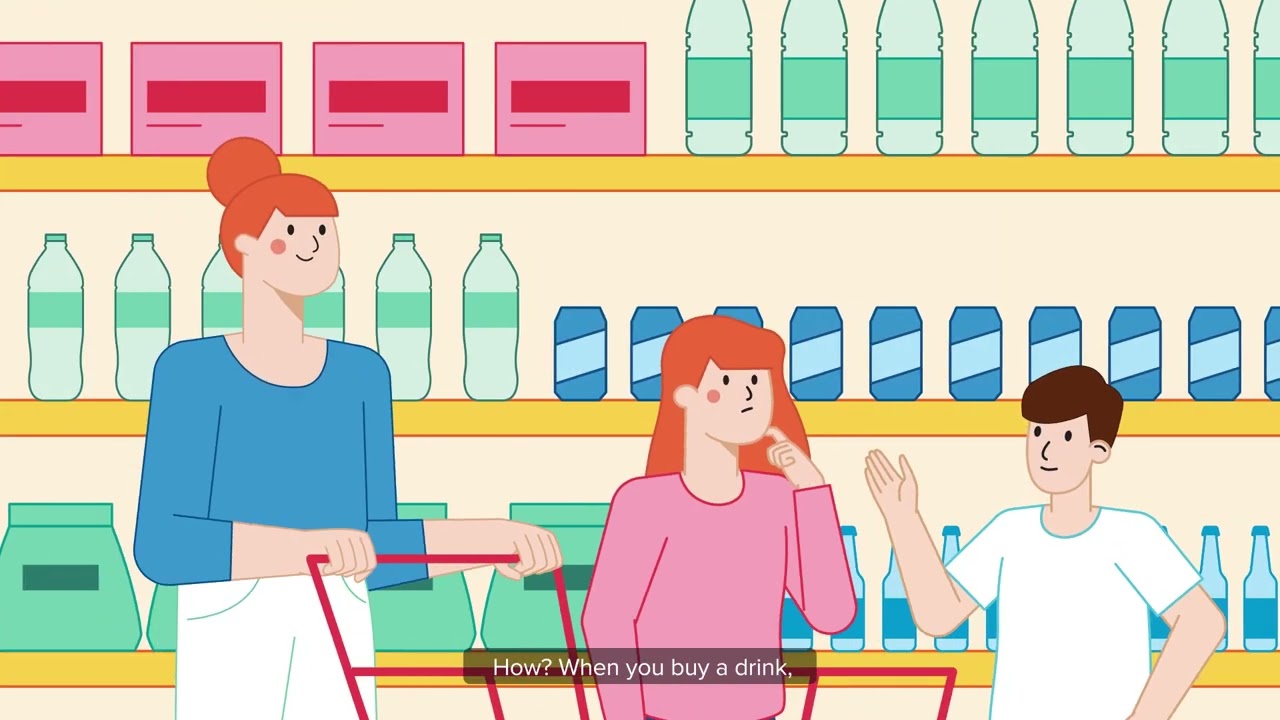
Deposit return systems for beverage containers work by adding a small extra deposit on top of the price of a beverage – such as those in plastic/glass bottles, cans and other kinds of packaging – which is refunded to the consumer when they return the empty drink container for recycling. Deposit return systems are typically established through legislation passed by state or national governments.
Adding a financial value to the used container motivates people to recycle, and communicates the materials also have a value to society as a resource.
What is a deposit return scheme called?
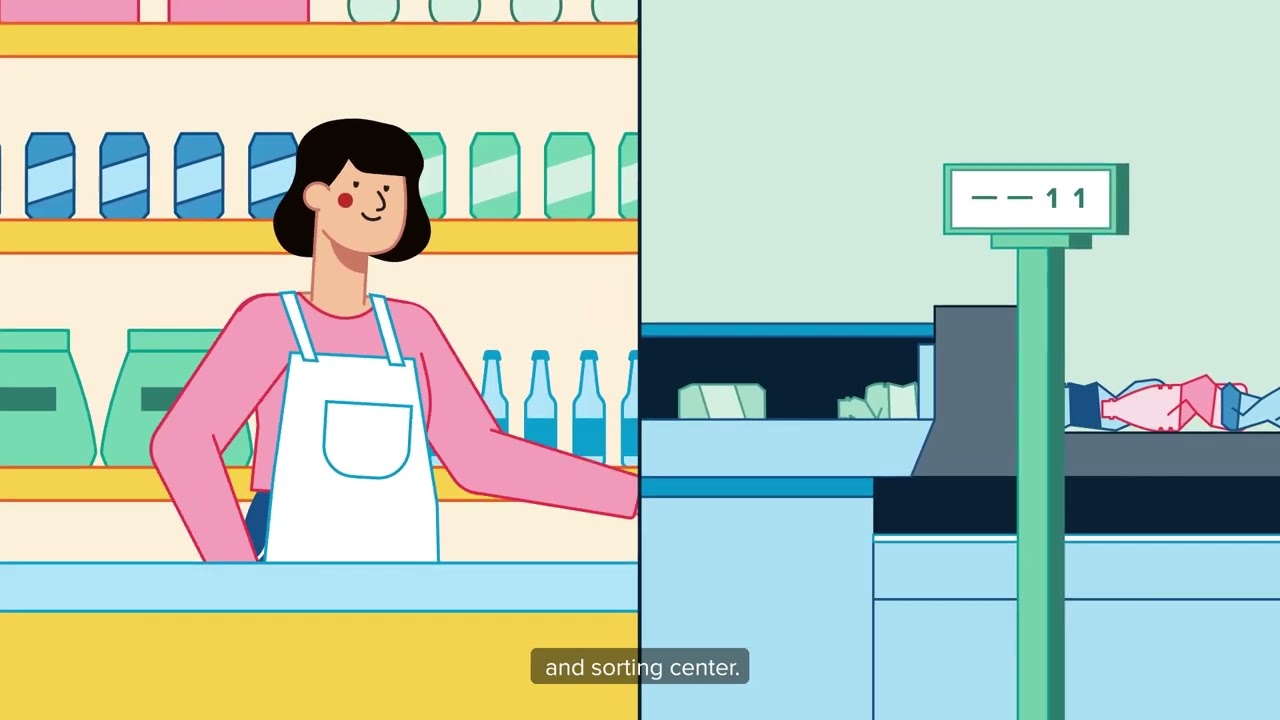
Throughout most of the world, these programs for incentivizing drink container recycling are called a deposit return scheme or deposit return system (DRS). In the US, this type of legislation is called a "bottle bill". Throughout Australia, it is termed a container deposit scheme (CDS). Other geographies use different terms, such as beverage container return scheme in Singapore, or deposit refund schemes in Europe. Countries also translate the term into their local languages.
How do deposit schemes benefit the environment?
DRSs help combat litter, increase recycling, reduce greenhouse gas emissions, and drive a circular economy. Beverage container litter as a proportion of all litter is 66% less in regions with a deposit system than those without¹. In Europe, deposit systems achieve an average PET bottle collection for recycling rate of 94%, compared to other curbside recycling schemes, which average a 47% collection rate.² Across the US, deposit containers are captured for recycling at a rate of 72%, vs 27% for non-deposit containers³, with Michigan and Oregon achieving return rates above 85%.⁴

Curbside recycling and DRS
These systems complement each other in fighting waste. To achieve “circularity”, manufacturers need systems that retain material quality. For food safety, bottle manufacturers have more rigorous quality specifications for recycled content than a producer of carpet or fiberglass. Producers gain food-grade material from a DRS, to achieve recycled-content commitments for new drink containers.⁵ For example, PET bales can have a value 40% greater than PET from curbside.⁶ There are many examples where DRS and household recycling together achieve high collection rates, but none where curbside is the sole collection system.⁷ British Columbia achieves an 82% container collection ⁸ and 70% packaging/paper product collection.⁹ By separating containers, drink containers are collected without contamination from other types of waste. This means they can be recycled into new containers (rather than lower-quality uses like landfill cover), reducing reliance on raw materials to produce containers.
Which countries have the best deposit return schemes?
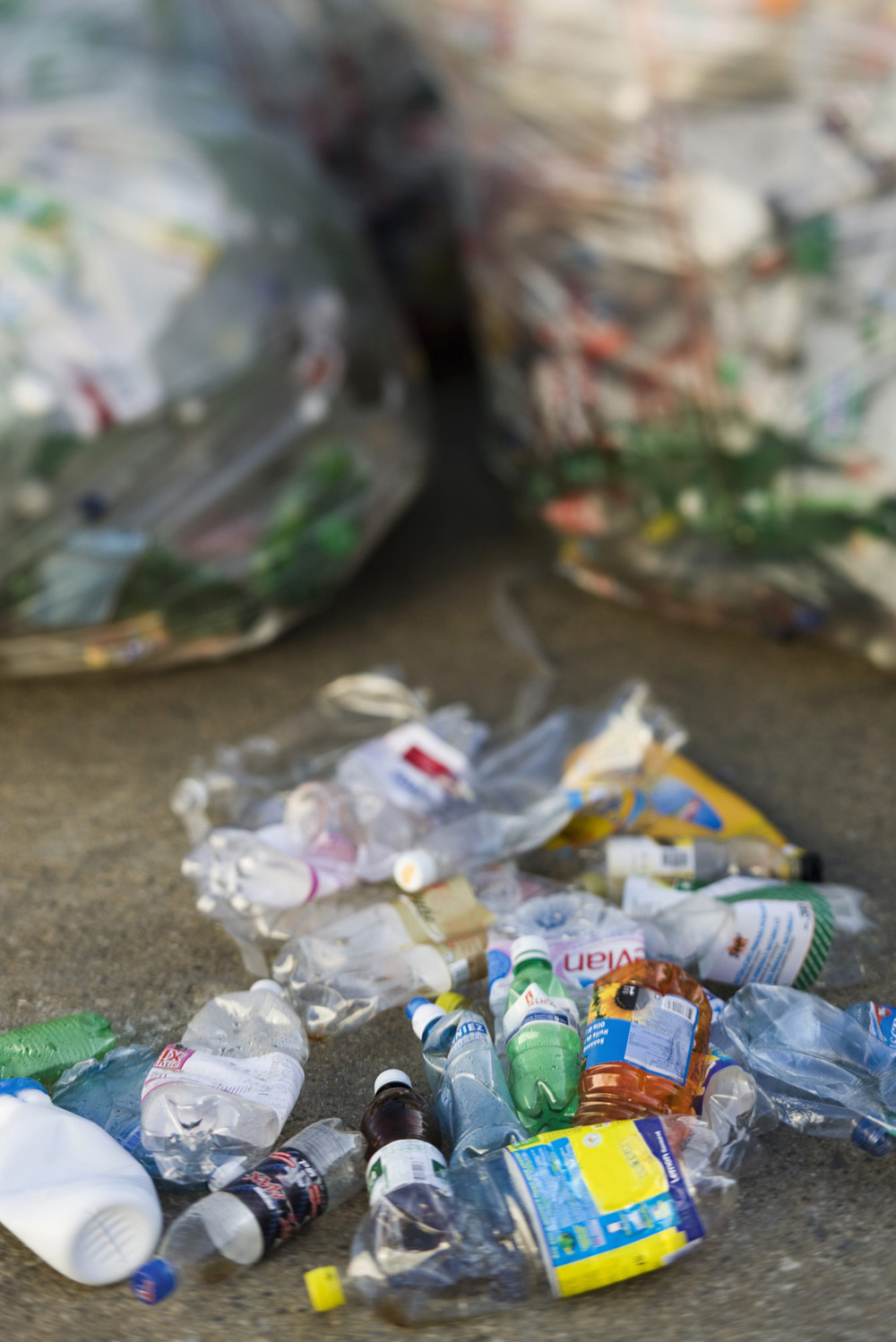
DRS success and performance is typically measured by the percentage of eligible containers returned for recycling. Germany today achieves a drink container return of over 98%, and Norway (considered a role model for DRS design) reaches 92%. Before its deposit return system was implemented, Lithuania had a return rate below 34%, which leaped to an impressive 92% within just two years of the DRS launch.
Retailer involvement in deposit return schemes
Why does a return-to-retail model boost deposit return performance?
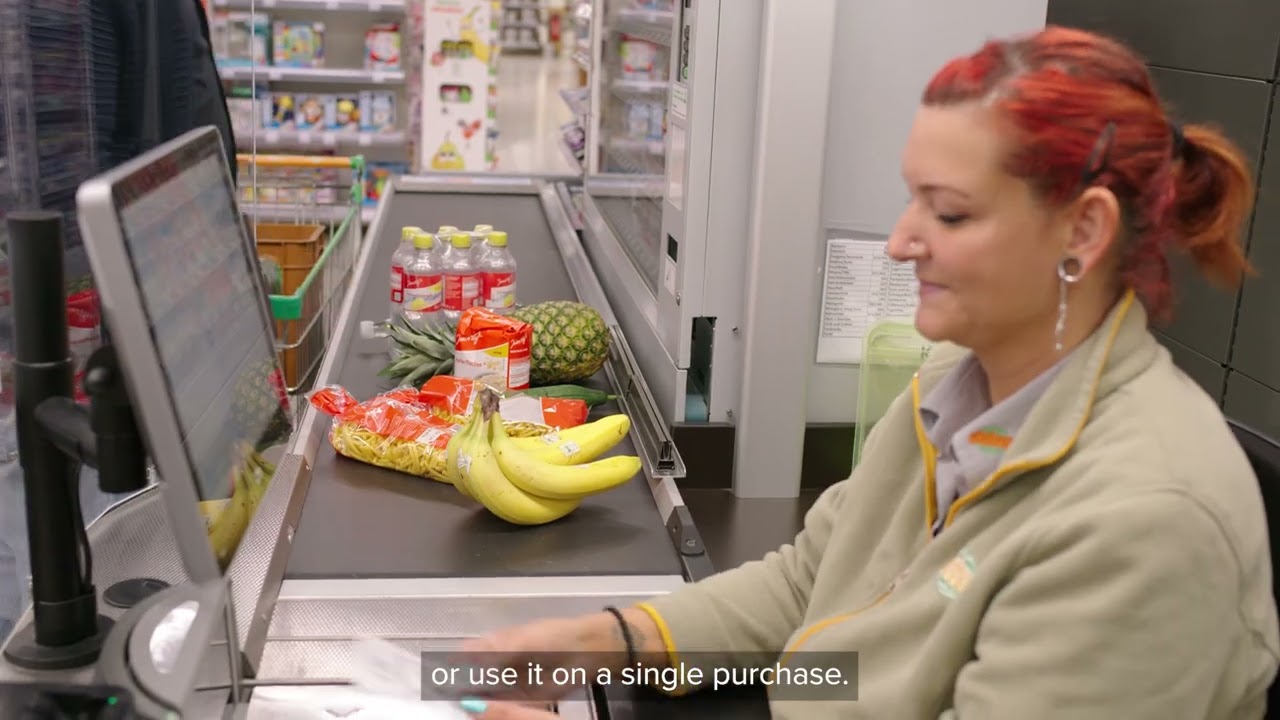
“Return to retail” is a DRS model in which retailers who sell eligible drinks also take back empty containers for recycling. All major high-performing DRSs utilize return-to-retail collection, achieving an average return rate of 92%.
The model ensures a convenient network of return locations, and makes use of existing infrastructure. This can lower set-up costs, and enables pick-up logistics. It means no extra trips are required to return containers, and makes recycling part of consumers' existing habits. For retailers, it gives consumers a reason to visit, and research has found 87% of recyclers spend their deposit refund in store.
Do all retailers participate in a deposit return scheme?
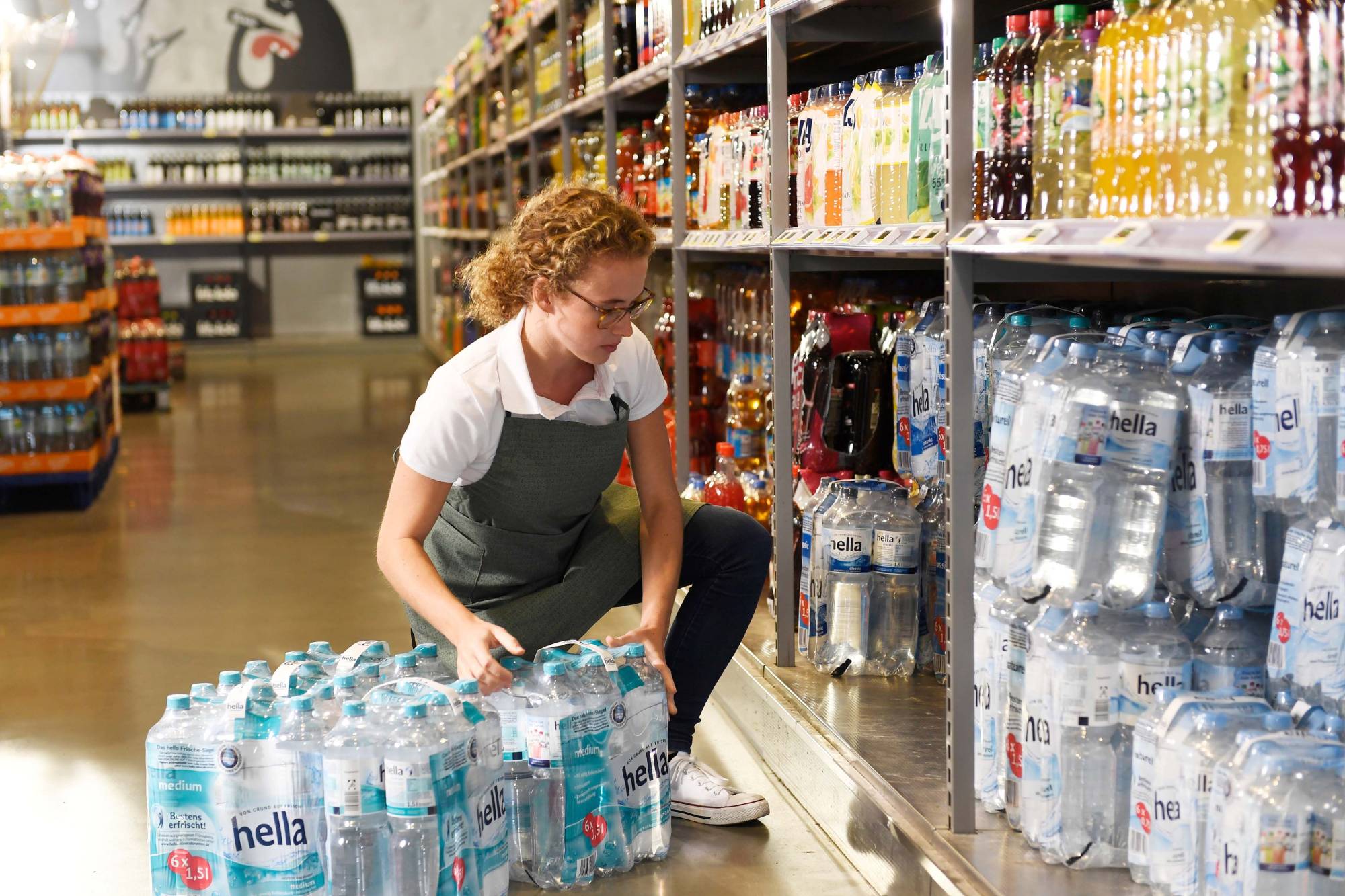
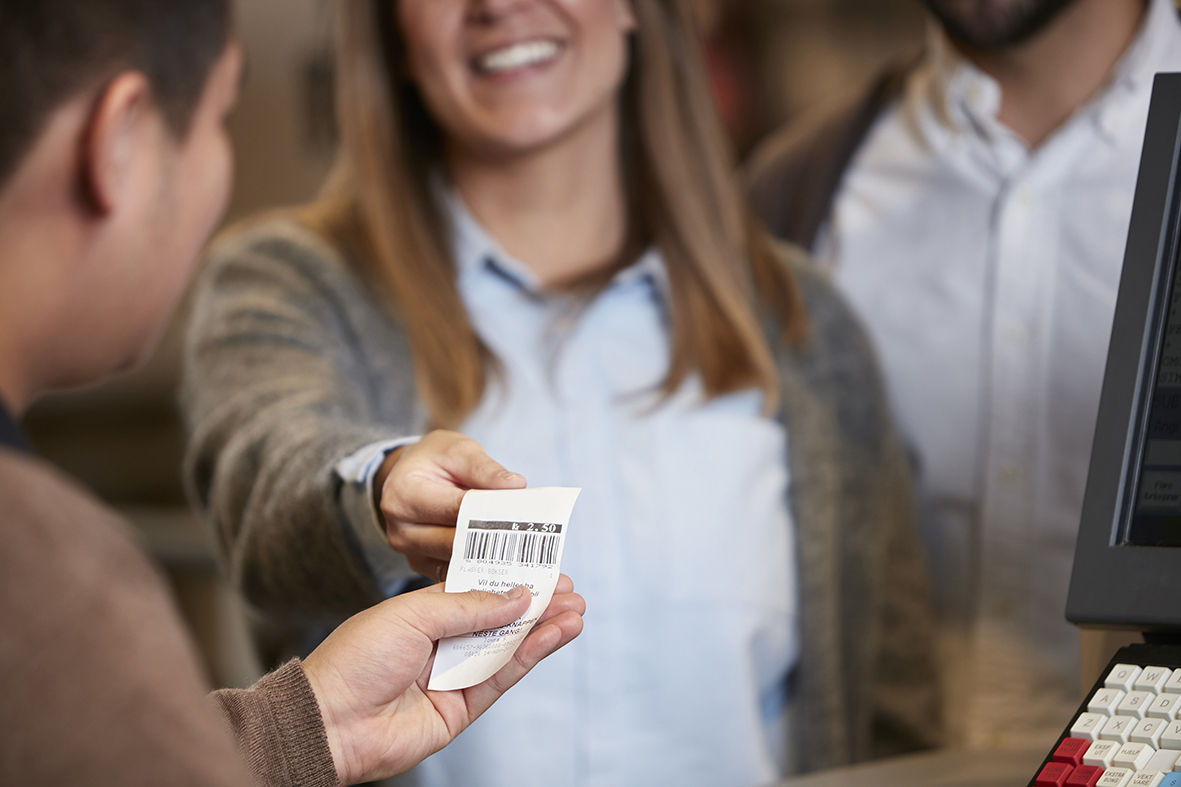
Retailers play a critical role by charging the deposit to consumers when they sell eligible drink containers. Since DRSs strive to make redeeming one’s deposit money as easy as it was to charge the deposit in the first place, retailers who sell beverages are often required to take back containers and refund deposits. Local DRS legislation sets out which retailers participate as return points for drink containers. Policymakers often make allowances for small stores (e.g. less than 100 m²) by limiting the number of containers a consumer can redeem per day, or allowing such stores to opt in to the system. In some markets, depots complement the return-to-retail network by offering an option for those returning high volumes of bottles and cans for recycling.
Are retailers compensated for accepting containers?
Mostly yes, and compensation varies among states and territories – but in some cases, like Oregon, Germany and the Netherlands: no. It may be specified in statute (e.g. New York), or set as a percentage of the unredeemed deposits (e.g. 25% in Michigan). In Europe, compensation in the form of a handling fee is typically set by the Central System Administrator (CSA) in ways that progressively encourage cost-efficient investments by the retailer. For example, Norway and other markets award a higher handling fee to retailers who use compacting reverse vending machines rather than manual redemption.
Economic impact of deposit return schemes
What are the economic benefits for communities?
A common finding is that DRSs bring net savings for local communities.¹⁰ In 2009, Massachusetts considered expanding its DRS to additional drink categories like water. A Department of Environmental Protection study found that while municipalities would lose US$899,000 in material sales, the update would bring net savings of $4.2-6.9 million. Shifting material from curbside recycling to a DRS would save $4.2-5 million on collection costs, $0.5-2.3 million on disposal, and $500,000 on litter clean-up. In addition to economic savings, deposit systems create jobs. A 2019 Eunomia study found that New York’s DRS supports 5,726 jobs through direct, indirect and induced effects. If the system expanded its beverage categories and introduced a higher (10-cent) deposit, it would create about 2,000 more jobs, bringing the total to 7,803.¹¹

Is a deposit return scheme a tax?
A container deposit in a deposit return system is not a tax, because it is refunded in full to the consumer when they return their empty drink container for recycling. To fulfill that promise, producers, retailers, policymakers and system administrators have an obligation to provide a convenient network of redemption points that makes it easy to return containers. If container return is too cumbersome for consumers, the deposit might be perceived as an unauthorized tax or “eco-fee”. The deposit charged to consumers at purchase should be separately charged from the drink price and exempted from value-added or sales taxes on the product itself.
What happens to unclaimed deposits?
In high-performing systems, unclaimed deposits are retained by the producer-operated, non-profit Central System Administrator. Most importantly, this allows for sustainable reinvestment in the system’s redemption infrastructure, material processing and marketing to consumers.
What is the cost of purchasing return infrastructure?
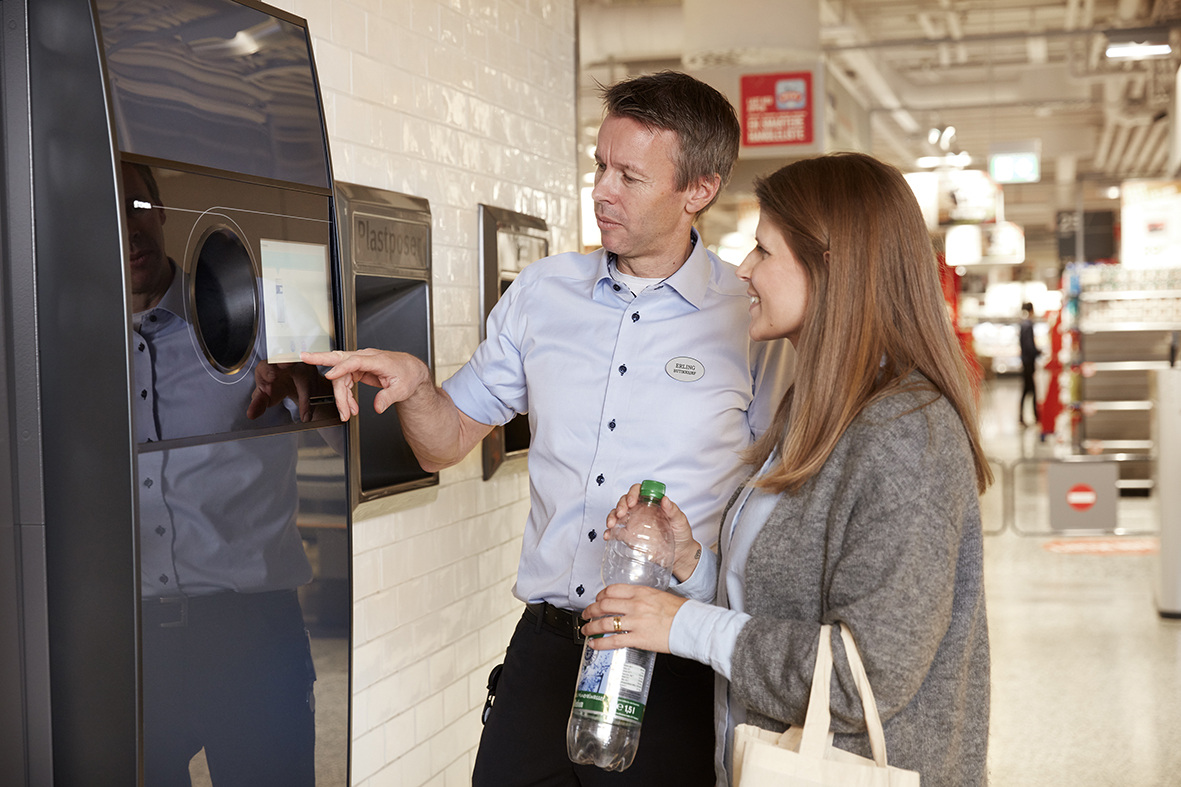
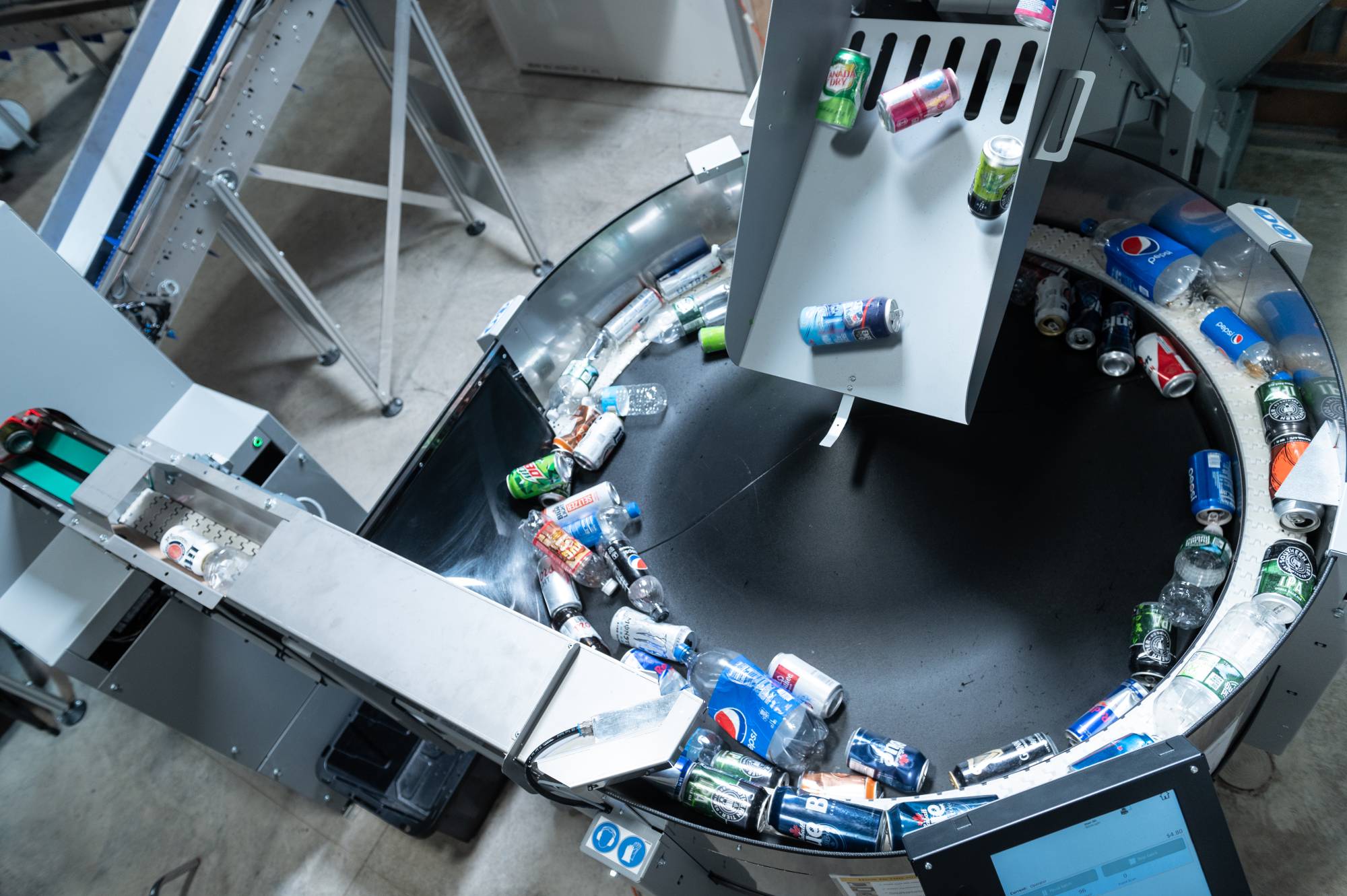
Many redemption providers offer reverse vending machines (RVMs) for more efficient and convenient return of containers, compared to manual handling. RVMs range in size (from standalone machines as little as 0.6m², to through-the-wall machines with multiple storage cabinets) and capability (like number of storage areas and material types accepted). So, the choice of RVM and its cost depends on the size of redemption site and DRS container types. RVMs might be paid through the purchase, rental or leasing of the unit, and service packages. In some markets, payment is instead based on the volume of containers returned through the machines. This lets redemption providers gain the benefits of an RVM upfront and pay it off over time (known as a "throughput lease"). In most DRSs, redemption locations are paid a “handling fee” to compensate for the labor associated with container returns, space, consumables, and their monetary investment in return infrastructure.

How is the risk of “fraudulent” redemption managed?
Policymakers or Central System Administrators design systems with this in mind, putting in place protocols, governance and technology to enhance the integrity of the DRS. High-performing systems use a redemption network connected to the internet to collect and monitor data, which can be used for auditing and enforcement to prioritize responses and help ensure compliance. Some offer incentives for the use of unique barcodes, plus visual and/or security markings on containers that automated redemption equipment can identify. Reverse vending machines are highly sophisticated and can identify fraud attempts, rejecting containers that do not belong to the system. Smaller collection points will accept containers manually, identifying their eligibility through the visual marking.
Download our DRS white paper
Deposit return scheme best practices
Want to know more?