RVM selection guide for retailers
How retailers can prepare for receiving drink containers for recycling in a deposit return scheme
Get in the know on reverse vending machinesLithuania’s Deposit Return Scheme: Surpassing Expectations
LITHUANIA: TOMRA supported in implementing Lithuania's new container deposit system, launched on 1 February 2016 with a tight ramp-up timeframe. The roll-out represented the first time TOMRA worked with a “throughput” model in Europe. Lithuania's program has exceeded expectations, with 91.9% of all beverage containers returned for recycling by the end of 2017. The DRS this year celebrates its 10th anniversary.
Lithuania boosts return rate from 34% to 92% within two years of DRSDeposit Return Schemes in Europe: How They Compare
Discover how deposit return schemes in Europe are driving recycling rates and supporting a circular economy.
Learn more about deposit return trends in EuropeReturn to Retail in Deposit Return Systems: Convenience and Success
Return to retail: simplifying recycling for consumers50 years of TOMRA's reverse vending innovation
“Better today than yesterday, but not as good as tomorrow.”
See the innovationsCurbside Collection vs Reverse Vending Machine Recycling | TOMRA
What is the difference between curbside collection and reverse vending machine recycling?
Learn the difference between curbside collection and reverse vending machine recyclingA changing landscape: The history of deposit return schemes
We take a look at the history of deposit return schemes, and how these recycling programs for drink containers have evolved and the trends that have impacted their development.
Learn the historyRising Demand for Deposit Return Schemes Globally
Find out why deposit return schemes are becoming more popular in response to the growth of plastic pollution and rising recycling costs.
more about the global demand for deposit return schemesBenefits of Reverse Vending Automation
Collecting beverage containers for recycling efficiently and conveniently for retailers and consumers
Read about the benefitsAustralia Achieves Nationwide Container Deposit Schemes
Learn how container deposit schemes across Australian states help reduce litter, boost recycling, and promote environmental responsibility.
Learn more about Australia's container deposit schemesHow Do Container Deposit Schemes Work – TOMRA Explained
Around the world, demand is growing for countries to increase their recycling rates for bottles and cans, as a means to fight litter and ocean plastic and conserve scarce resources. To meet this challenge, many regions are considering container deposit schemes, which see up to 98% of all drink containers returned for recycling. Learn more about what container deposit schemes are and how they work.
Learn more about how container deposit schemes workContainer Markings and Barcodes for Accurate Deposit Return Systems
Container markings and barcodes: building effective deposit return systemsWhat is a bottle bill?
Around the world, demand is growing for countries to increase their recycling rates for bottles and cans as a means to fight litter, ocean plastic, and reduce recycling costs. Learn more about what bottle bills are and how they work to ensure container recycling.
Learn what a bottle bill isReverse Vending Machine Design: TOMRA’s User-Centric Approach
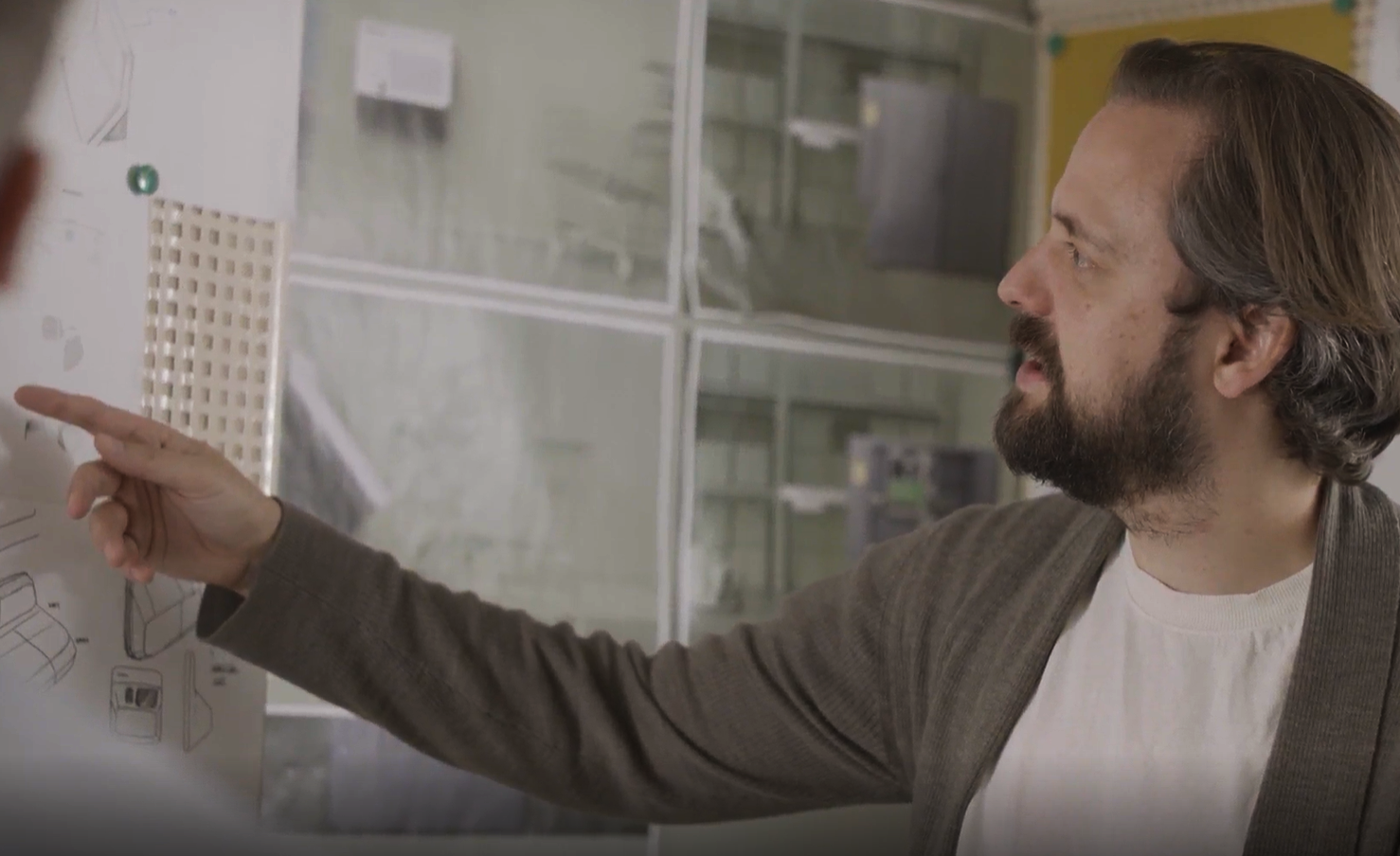
Design manager Anders Ertsås explores the principles behind TOMRA Collection’s consumer-centric approach to reverse vending machine design.
Learn more about reverse vending machine designReverse Vending Machine Guide by TOMRA
Wondering what a reverse vending machine is, how it works, or what happens to your bottles and cans after you return them for recycling? Learn more in this introduction to reverse vending
Explore the Reverse Vending Machine GuideWhat is rPET Plastic? Benefits and Uses in Recycling | TOMRA
A closer look at the beverage industry’s more sustainable alternative to virgin PET. rPET plastic (short for recycled polyethylene terephthalate) helps to avoid plastic waste and promote sustainable packaging.
Get to know rPET plasticA modern deposit return scheme: Quebec, Canada
Quebec’s deposit return system (DRS) modernization has been getting international attention for its thoughtful approach to balancing stakeholder needs and aiming for a 90% return rate.
Learn more about Quebec's deposit return systemConnecticut’s Deposit Return System | TOMRA Insights
How policymakers balanced environmental, municipal, and private sector objectives to create a deposit return system capable of recycling 90% of beverage packaging waste.
Learn more about Connecticut's deposit return systemPackaging & Packaging Waste Regulation and deposit return schemes
European Union's new regulation for greater packaging circularity
Learn more about the Packaging & Packaging Waste RegulationInnovation in software engineering: reverse vending machines
A behind-the-scenes look at the culture of collaboration and innovation in TOMRA Collection’s software development team, and how their work powers the business’s industry-leading reverse vending machines.
Get to know reverse vending softwareNorway’s deposit return scheme is world’s recycling role model
Regarded as the world role model for beverage container recovery and recycling, Norway’s deposit return system is one of the most efficient in the world. With a sophisticated, convenient return infrastructure and a competitive deposit value that truly incentivizes consumers to return their empty containers, Norway’s deposit system helps keep containers in the loop and promotes good habits to consumers.
Learn more about Norway's resultsTOMRA's successful recycling initiatives at summer festivals
TOMRA's successful recycling initiatives at summer festivalsCombat Ocean Plastic Pollution with TOMRA Solutions
The battle against plastic pollution in the environment and our oceans is high on the agenda for TOMRA Collection. Here’s why.
Learn more about how TOMRA seeks to combat plastic pollutionLatvia's Successful Deposit Return Scheme by TOMRA
New milestone achieved for drink container recycling program
See Latvia's DRS resultsIoT for Recycling: TOMRA's Innovative Solutions
TOMRA’s reverse vending machines have become more intelligent and efficient than ever – and at the heart of these solutions is the Internet of Things (IoT).
Get to know reverse vending IoTDiscover the Technology Inside Reverse Vending Machines
A look at the cutting-edge technology inside reverse vending machines (RVMs) and TOMRA’s culture of engineering innovation.
Take a look insideMaking recycling smarter: TOMRA and artificial intelligence
As it hosts an internal AI Summit to explore possibilities for AI, TOMRA shares its perspectives on AI and its applications for an AI-driven reverse vending machine.
Read more on AISchool Fundraising with Deposit Return Schemes
Collecting cans and bottles for recycling can make a big difference for your school, and for your local environment. Learn how to organize a successful school fundraiser with your local deposit return system and start recycling for a cause!
Get the tipsBottle bill states and how they work
Currently, 10 states throughout the U.S. have bottle bills (legislation for deposit return schemes for drink container recycling) in place. Learn more about how these bottle bill states work, the scope of containers included, and the results they have achieved.
Bottle bill states and how they workGermany's Effective Deposit Return Scheme Explained
Germany has the world’s largest and highest-performing deposit return scheme, achieving a record 98% return rate on eligible single-use drink containers, owing to the system’s meaningful deposit value and convenient network of return locations.
See Germany's resultsReducing TOMRA's Environmental Footprint
Christina Ek, Project Manager at TOMRA Collection, shares some insight into TOMRA's ongoing sustainability journey and efforts to minimize the environmental impact of TOMRA reverse vending machines. Christina addressed questions regarding actions being taken to enhance product sustainability, the possibility of achieving more with less, and the benefits these initiatives bring to TOMRA's customers.
Reducing the environmental footprint of TOMRA reverse vending machinesSensor technology in TOMRA reverse vending machines
A look at TOMRA’s advanced collection, sorting and processing solutions that enable the circular economy – with sensor technology at their heart.
Get to know sensorsSlovakia's Effective Deposit Return Scheme by TOMRA
Slovakia launched its new deposit return system (DRS, also known as a deposit return scheme) on 1 January 2022, with an ambition to combat litter and meet the requirements of the European Union’s Single-Use Plastics Directive. Featuring TOMRA reverse vending machines (RVMs) and sorting equipment for the Slovak deposit return system administrator's sorting facility, the DRS has seen Slovakia return 820 million containers in the first year of operation of the DRS, with a return rate over 70% — exceeding the goal of 60% set for the deposit system’s first year.
See Slovakia's resultsNew South Wales Deposit Return Scheme Overview
TOMRA partnered with Cleanaway on New South Wales’ new container deposit return scheme, Return and Earn, with the target of achieving a 40% litter reduction. Following the introduction of the deposit scheme on 1 December 2017, the total beverage container return rate in New South Wales rose from 32% in 2017 to 65% in just over two years, redirecting containers from landfill or litter to recycling. Today, five years since launch, we look at the design and roll-out of the deposit return scheme in the state.
New South Wales prevents billions of drink containers from entering litter stream through Return and Earn deposit return schemeWhat Happens to Used Beverage Containers?
Let's find out in this step-by-step guide.
What happens to a used beverage container when you return it for recycling?Microplastics in the Ocean: Causes, Impact, and Solutions | TOMRA
Understanding the impact and how to reduce plastic pollution.
Learn more about microplasticsHow deposit return systems reduce carbon emissions
Drinks containers made from recycled materials have a smaller carbon footprint than those made from scratch. By keeping high-quality materials in a recycling loop, deposit return systems work to avoid carbon emissions in a number of ways.
How deposit return systems reduce carbon emissionsWho pays for a deposit return system?
A deposit return system for drink container recycling is a form of Extended Producer Responsibility. Who pays for a deposit return system, and how is it funded?
Learn who pays for a deposit return system10-Cent Recycling Kid: Thriving Business from Containers
Young entrepreneur Lockie Patterson-Smyth contributes to keeping the environment clean by recycling everything he can through his business, 10-cent Recycling Kid
The 10-cent recycling kid makes a thriving business by collecting drink containersPutting recycling to work for you
Maximizing the positive impact of beverage container recycling for your customers, your business and the planet
Put recycling to work for you, together with TOMRAReturn-to-Retail Collection Model for Deposit Return Systems
As consumption of beverage containers and plastic pollution rises worldwide, more and more regions are seeking to implement container deposit schemes to drive recycling. Legislators have many options for designing their deposit models, and an approach that has achieved impressive return rates is ‘return-to-retail’ collection, where stores selling beverages receive those containers back for recycling.
Return-to-retail: the collection model for effective deposit return systemsA Comprehensive Guide to Closed-Loop Recycling
A staggering 1.4 trillion cans and bottles are used across the globe every year, but shockingly only 9% are being recycled. 14% are incinerated and an even larger proportion of the world’s plastic bottles and cans are going into our oceans, streets and landfills.
A guide to closed-loop recyclingWelcome to Project Boomerang
Join TOMRA Collection on our journey towards product circularity
Learn more about Project Boomerang