Rich Text Block The Scale of the Problem
Each year, approximately 400 million tonnes of plastic are produced globally. Of this, only around 9% is recycled — the remainder is incinerated (12%), or accumulates in landfills and the natural environment (79%). Plastic has been found in the deepest ocean trenches, on the highest mountain peaks, and in the bloodstreams of wildlife and humans alike.
The fundamental issue is not that plastic is a bad material — it is lightweight, durable, hygienic and versatile. The problem is that we treat it as if it were disposable rather than valuable. A discarded plastic bottle represents recoverable petrochemical feedstock, wasted energy and a missed circular economy opportunity.
Thumbnail List Block Plastic by the Numbers
Rich Text Block What Works: A Systems Approach
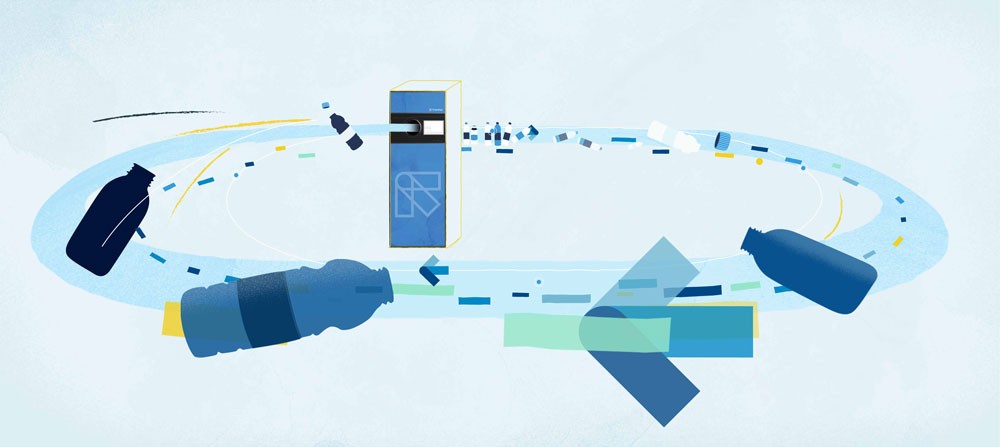
Solving plastic pollution requires action at every point in the material value chain. Design for recyclability makes materials recoverable. Deposit return schemes create powerful collection incentives. Advanced sorting technology converts collected material into high-purity, high-value secondary raw material. Recycled content mandates create market demand for that material — closing the loop.
TOMRA works across all of these domains. Our reverse vending machines collect more than 40 billion containers annually. Our sorting systems process millions of tonnes of mixed plastic waste each year. Our advocacy work supports governments designing and implementing extended producer responsibility and deposit return legislation worldwide.
We don't have a plastic problem. We have a systems problem. The material is valuable — we just need the incentives, infrastructure and technology to keep it in circulation. That is exactly what TOMRA has been building for over 50 years.
Quote Block Tove AndersenPresident & CEO, TOMRA Systems ASA

CTA Block Join the Resource Revolution