What is a reverse vending machine?
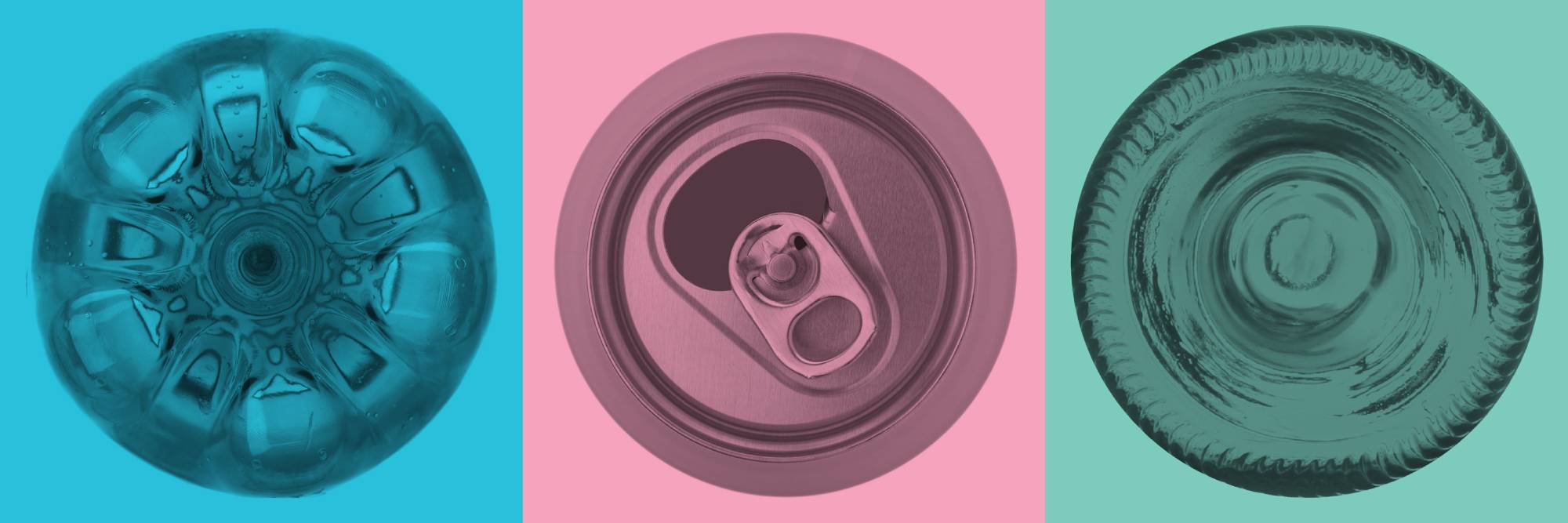
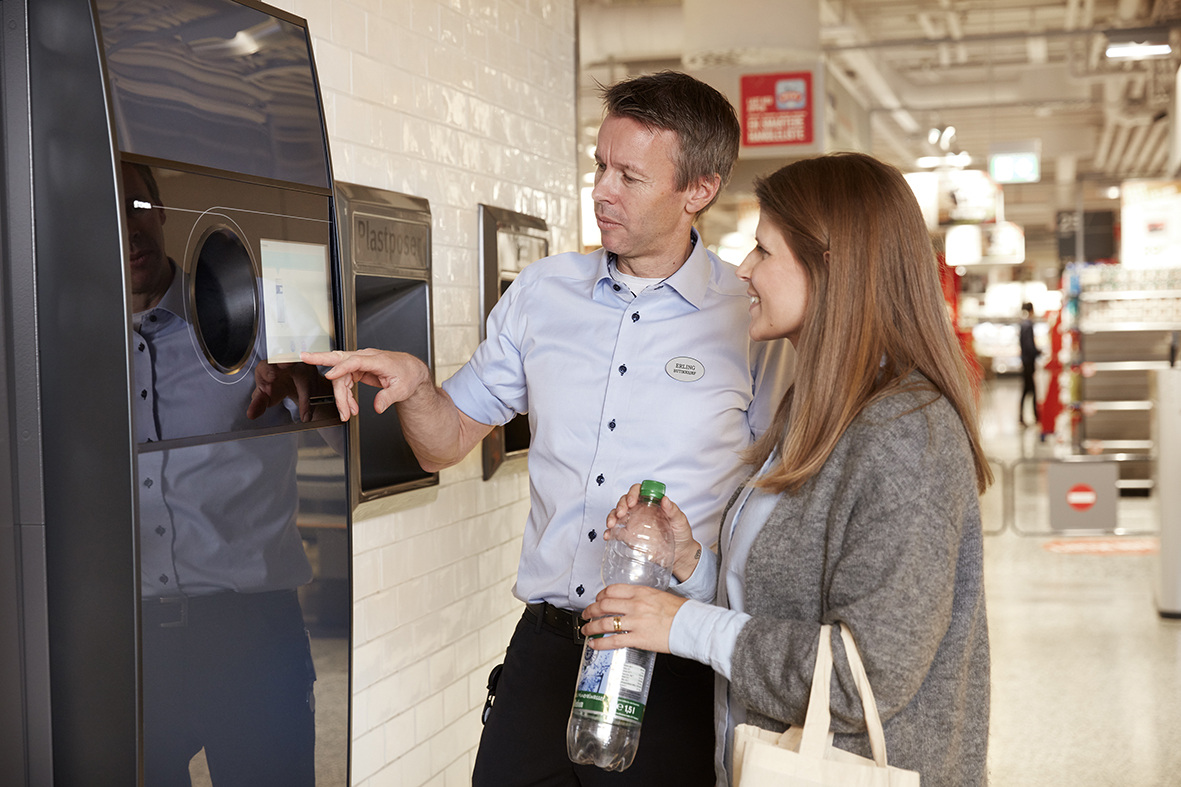
A reverse vending machine is a machine where people can return empty beverage containers, like bottles and cans, for recycling. The machine typically gives back a deposit or refund amount to the end user. It is an automated way to collect, sort and handle the return of used drink containers. The first fully automated reverse vending machine was developed by TOMRA in 1972.
Reverse vending machines are especially common in regions with deposit return systems, where you get money back for returning empty beverage containers for recycling.
These machines are officially called reverse vending machines, or RVMs for short. Why “reverse”? Because instead of the user putting in money and getting out a product (like at a regular "vending machine"), the user puts in a product and gets out a monetary value - so it's like a vending machine in reverse!
They are also known as redeem machines, reverse recycling vending machines, recycling vending machines, or can and bottle recycling machines. Countries also translate the term into their local languages. Whatever you call it, reverse vending machines are an efficient and convenient way to return your drink bottles and cans, give them the best starting point to be recycled into drink containers again and again, and get your deposit refunded.
How does a reverse vending machine work?
Recycling your empties is as easy as:
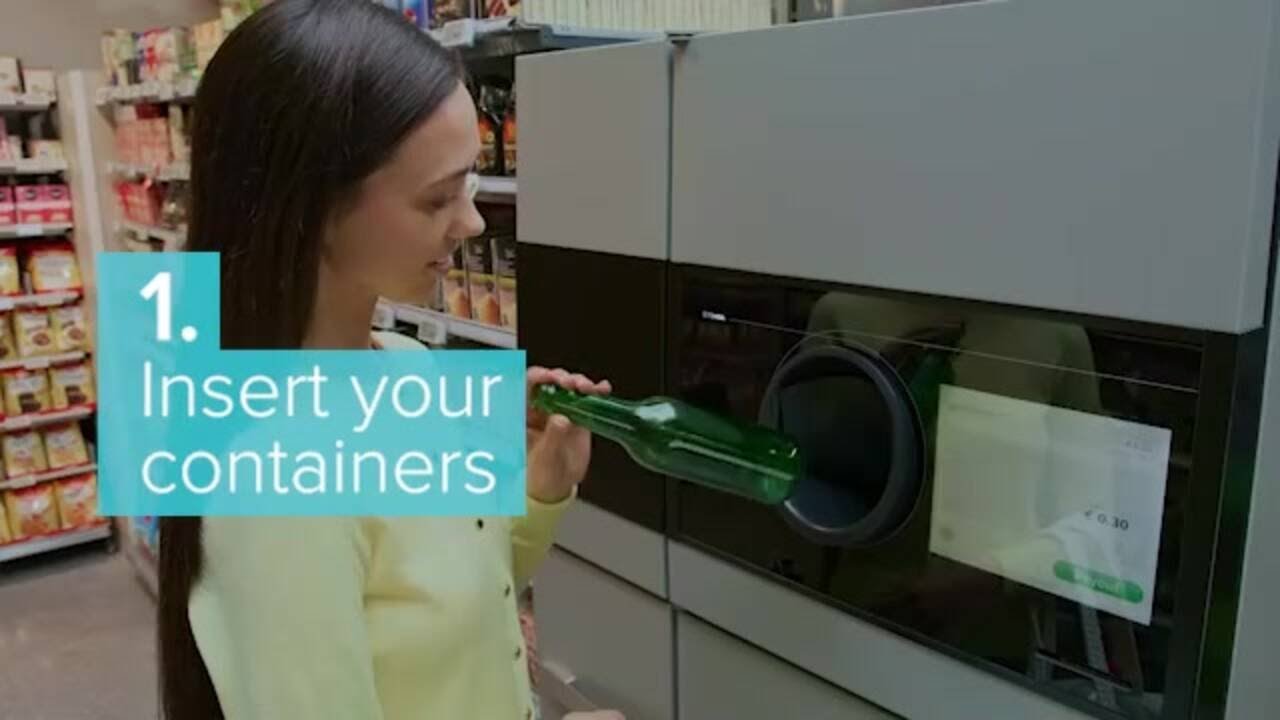
1. Insert your empty containers into the in-feed/chute at the front of the reverse vending machine.
2. When you’re finished, tap the button at the front of the machine.
3. Take the receipt the machine prints out. (In regions with deposit return scheme legislation, the receipt shows the value of your recycling refund, which can usually be redeemed at the return location's cash register.)
As you insert your containers, the reverse vending machine will scan the containers’ barcodes, materials or shapes, to identify the type of packaging and give the correct deposit refund. The machine will then sort the containers into different types. Depending on the containers eligible in your region, refillable containers are moved to one storage area in the machine, while containers that can’t be refilled are compacted (crushed) and stored in different bins.
Single-feed and multi-feed reverse vending machines
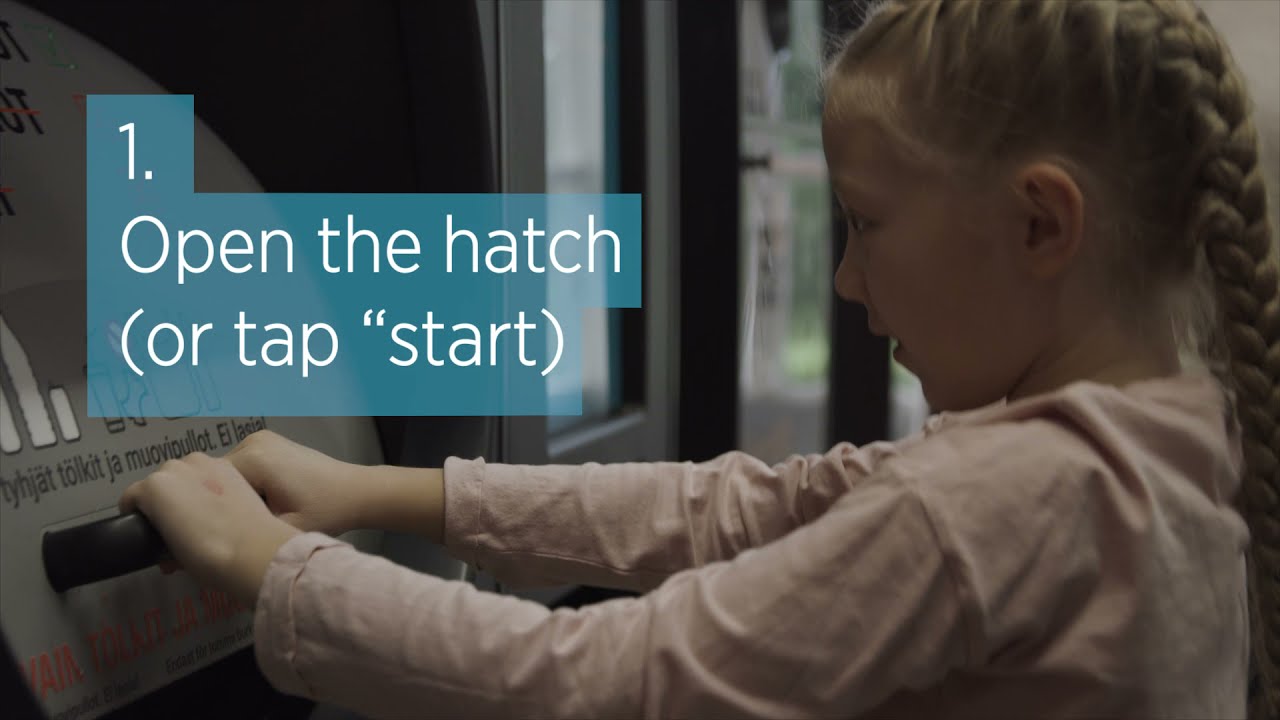
Some reverse vending machines are for inserting your drink containers one by one (single feed), while others enable to you pour in entire bags of containers in one go (multi feed). Check out how to use each type of RVM in the videos below.
Why use a reverse vending machine?
Reverse vending machines are a key part of deposit return systems, which see up to 98% of all drink containers returned for recycling. No other waste collection system comes close to these return levels. TOMRA’s reverse vending machines collect billions used containers every year for recycling in a closed loop.
Reverse vending machines benefits
Better for the environment:
- Separate drink containers from other types of waste to ensure clean, quality materials that can be used again and again to make new containers. At TOMRA, we call this Clean Loop Recycling.
- Reduce need for raw materials in making more containers.
- Keep litter and waste out of landfills, streets and oceans.
Convenient for end users:
- Are often located at grocery retail stores, making it convenient to return containers for recycling.
- Are fast and clean, so recycling is more enjoyable.
- Let users choose between payout methods, such as charity donation, digital payout, or in-store credit toward their grocery bill.
- Get recyclers engaged in shaping a better environment.
Efficient for business:
- Make recycling collection cleaner and streamlined, and ensure return points take up less physical space on site.
- Reduce time and mess of staff manually handling and counting containers, and let staff focus on other tasks.
- Give more storage capacity with compaction and reduce transport needs for containers.
- Are easy for operators to handle, clean and maintain.
Where can you find reverse vending machines?
- Retailers: Many grocery stores or other retailers selling beverages have RVMs, so that recycling becomes part of consumers' regular shopping routines.
- Redemption centers: Bottle and can redemption centers – also known as bottle depots – are staffed facilities where empty containers can be returned for their deposit refund.
- Outdoor kiosks: RVMs can also be hosted outdoors in reverse vending kiosks, in convenient locations places outside retailers, clubs, parks, sporting grounds and community centers.
- Other locations: Some regions also have RVMs in high-traffic locations such as universities and major transit stations. RVMs also occasionally appear at events like summer music festivals as pop-up installations.
Find out the location of reverse vending machines and recycling return points in your region. CHECK LOCATIONS
What happens to a bottle or can when it is recycled?
After return, refillable containers are transported back to the bottle or beverage producer for cleaning and refilling. Non-refillable containers are taken to a processing facility for washing and shredding, to go into the production of new containers. The materials must meet regulations for quality and hygiene in order to be used as new drink containers.
Learn more about RVM, DRS and get started on making a positive impact through recycling.